


Why is calcium important?
Calcium is an essential mineral that helps to build strong, healthy bones and teeth. It also has other important roles in the body, such as supporting muscle contraction and nerve signalling.

Click to view full infographic

How much calcium do I need?
Calcium requirements change throughout our lives. In the UK, the recommended daily intake for healthy adults under the age of 55 is 700mg per day.
For more information on calcium requirements for different age groups, check out our calcium PDF resource and life stages information pages.
How to get enough calcium on a vegan diet
There are plenty of plant-based foods and drinks that contain calcium, so it shouldn't be too difficult to meet your needs through a varied and balanced vegan diet.
Eating 2–3 portions of the following foods each day can help you meet your calcium needs*:
- Calcium-fortified dairy alternatives
- Calcium set tofu
- Calcium-fortified bread or cereals
Other plant foods can also provide smaller, but useful, contributions to daily calcium intake, for example:
- White beans, such as haricot or pinto beans
- Tahini and sesame seeds
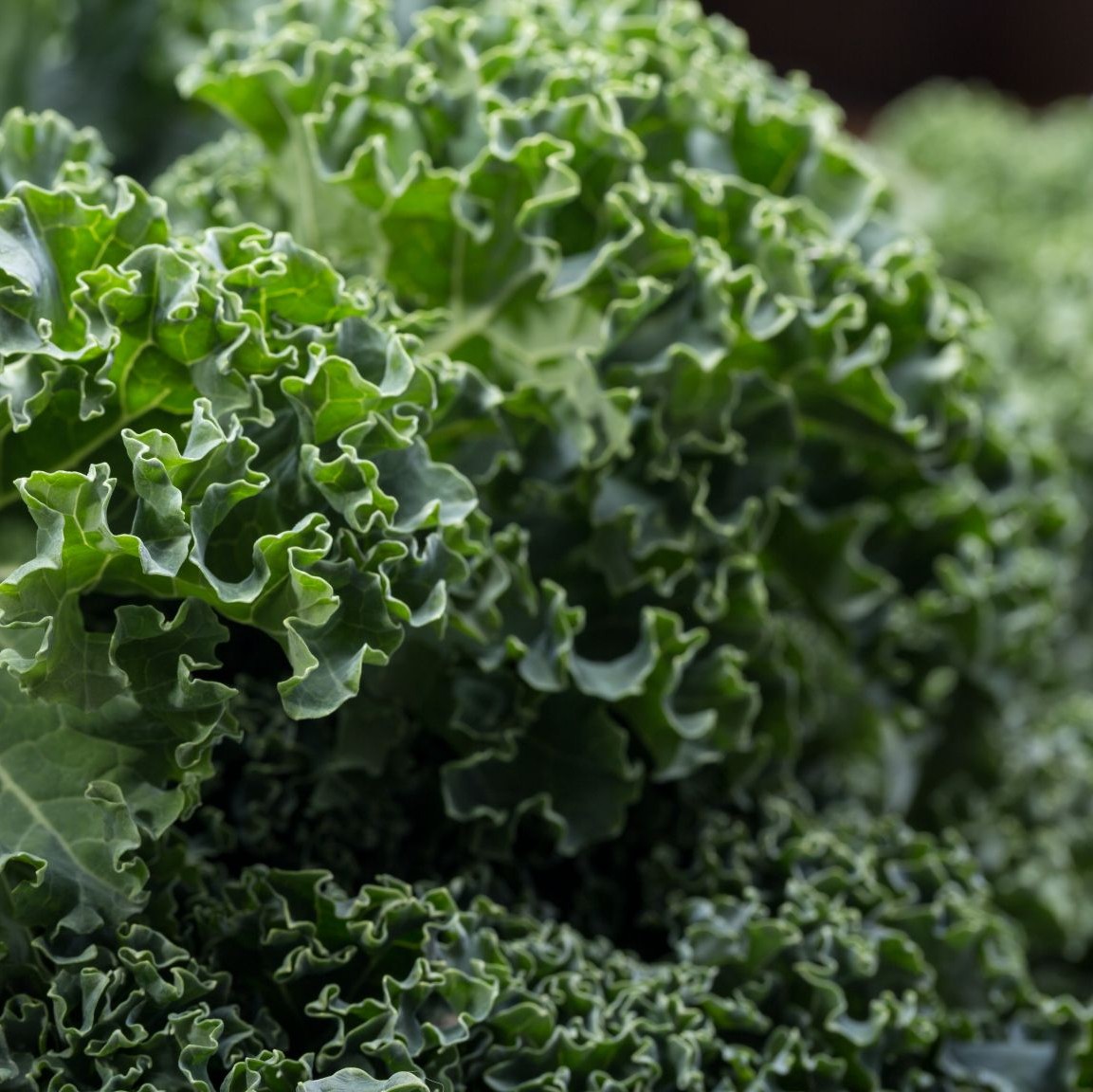
- Green leafy vegetables, such as kale and watercress
- Almonds
- Okra
- Dried figs
*Based on calcium requirements for adults aged 18–55 (700 mg per day). For more information on meeting your calcium requirements during the menopause, breastfeeding and childhood, head to our life stages resources.

Shopping tips
The calcium content of fortified products varies. Make sure you choose plant-based milk alternatives that provide 120 mg of calcium per 100 ml.
Tofu is only a rich calcium source if it is set with calcium chloride (E509) or calcium sulphate (E516); always check the ingredients list.
Do I need a calcium supplement?
Most vegans can meet their calcium needs by eating a varied and balanced diet. However, if you don’t regularly include calcium-rich foods or have higher calcium needs that are hard to meet through diet alone, a healthcare professional may recommend a calcium supplement to boost your intake.
Speak to a health professional if you have concerns about your calcium intake or bone health. A deficiency can negatively impact your overall health and, in severe cases, lead to rickets in children or osteoporosis in adults.
Calcium absorption from plant foods can be reduced by other components such as oxalates and phytates. Knowing which plant foods have higher calcium bioavailability is important for ensuring adequate calcium intake.
Good: fortified foods, calcium-set tofu, low oxalate leafy green vegetables (for example: kale, pak choi, watercress)
Fair: almonds, sesame seeds, white beans
Poor: spinach, rhubarb
Eating two to three portions of calcium-rich foods with good absorption daily will help you to meet your calcium needs. Foods with lower absorbability can still provide some useful amounts of calcium but they shouldn't be your main sources.
It is also important to get enough vitamin D to support calcium absorption. For more details, see our vitamin D guidelines.
Calcium Calcium tips to take away
- Ensure your daily diet includes good sources of well-absorbed calcium, such as fortified plant-based milk and yoghurt alternatives, calcium-set tofu and fortified bread or cereals.
- Other useful plant-based sources that can contribute towards good calcium intake include kale, watercress, tahini, haricot beans, almonds, dried figs and okra.
Ensure you are getting enough vitamin D to optimise calcium absorption.
Further information
For more detailed information on meeting your calcium needs, including a list of the references used to develop this resource, download our calcium PDF
You might also be interested in exploring the following resources:
- Vitamin D – essential for enhancing calcium absorption and supporting bone health.
- Bone health – practical diet and lifestyle tips to maintain strong, healthy bones.
- Life stages – guidance on calcium needs during pregnancy, breastfeeding and various age groups.
- Nutrition overview – comprehensive information to help you maintain a balanced and varied diet.
These are general guidelines about nutrition. If you have concerns about your diet, please talk to your doctor about seeing a dietitian. Discussing the use of supplements with a health professional will help to ensure that they are suitable for you.