A Nutrition Guide for Menopause
 What is the menopause?
Menopause is when menstruation stops permanently due to loss of ovarian activity. You are considered “menopausal or post-menopausal” when you have not had any periods or bleeding for one year. There are a number of menopausal stages, and the average age for people to enter the menopause is 51, however some may experience early menopause between 40–45 years old. Premature ovarian insufficiency can lead to an earlier menopause under the age of 40 and requires specialist intervention and tests1.
Read our full nutrition guide for menopause here. This guide provides vegan-friendly nutrition tips for people going through the menopause.
What happens during perimenopause and menopause?
Your body goes through various changes as you enter the menopause. Perimenopause is the period of transition from a normal ovulatory and menstrual cycle, to post-menopausal, when ovulation and menstruation stops2. The range and severity of symptoms differ between people and usually last around 4-7 years, but can last up to 12 years for some1. Symptoms of perimenopause and menopause are wide-ranging and can include the following1:
- Heavy and/or irregular periods
- Loss of fertility
- Reduced libido
- Vaginal dryness
- Urinary tract infections (UTIs)
- Incontinence
- Higher blood pressure
- Changes in blood cholesterol
- Hot flushes/night sweats
- Weight gain
- Muscle and joint pain
- Headaches
- Poor concentration
- Mood changes such as depression and anxiety
- Digestive issues3
Reduced oestrogen levels have a lasting effect on the body, including a higher risk of heart disease and osteoporosis. Osteoporosis is a condition that weakens bones and increases risk of fractures, and risk is increased during the menopause due to increased calcium losses from bones due to a loss of oestrogen4. Therefore, nutritional considerations to support heart health and bone health are still important during the menopause.
Many benefits associated with following plant-based diets are of particular relevance during the menopause, including managing symptoms and addressing the increased risk of heart disease and osteoporosis.
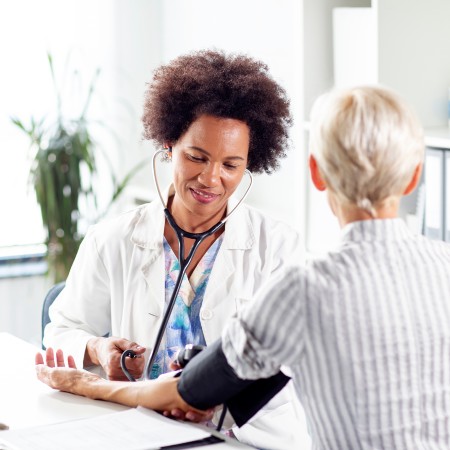
Heart health
Body composition changes

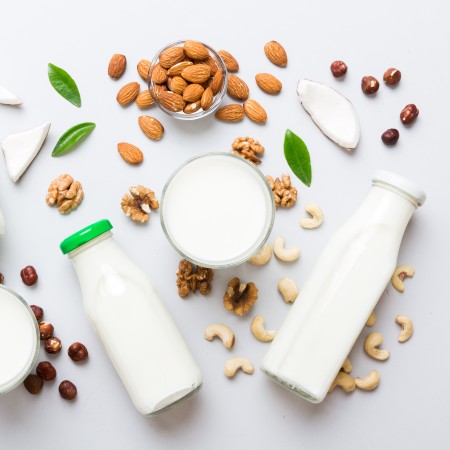
Bone health
Phytoestrogens