Kaya Gromocki, who has been managing our International Grants Programme since 2018, speaks to two Kenyan vegans to learn about their work and what it means to be vegan in Kenya
Veganism is a growing movement in Kenya and many other African countries, and The Vegan Society has received an increasing number of grant applications from Kenyan vegans in the last five years.
Here, we shine a light on the inspiring work being done by two activists campaigning for a kinder world by promoting veganism in Kenya. Read on to find out what it’s like to be vegan in Kenya, and what these two individuals are doing to educate their communities.
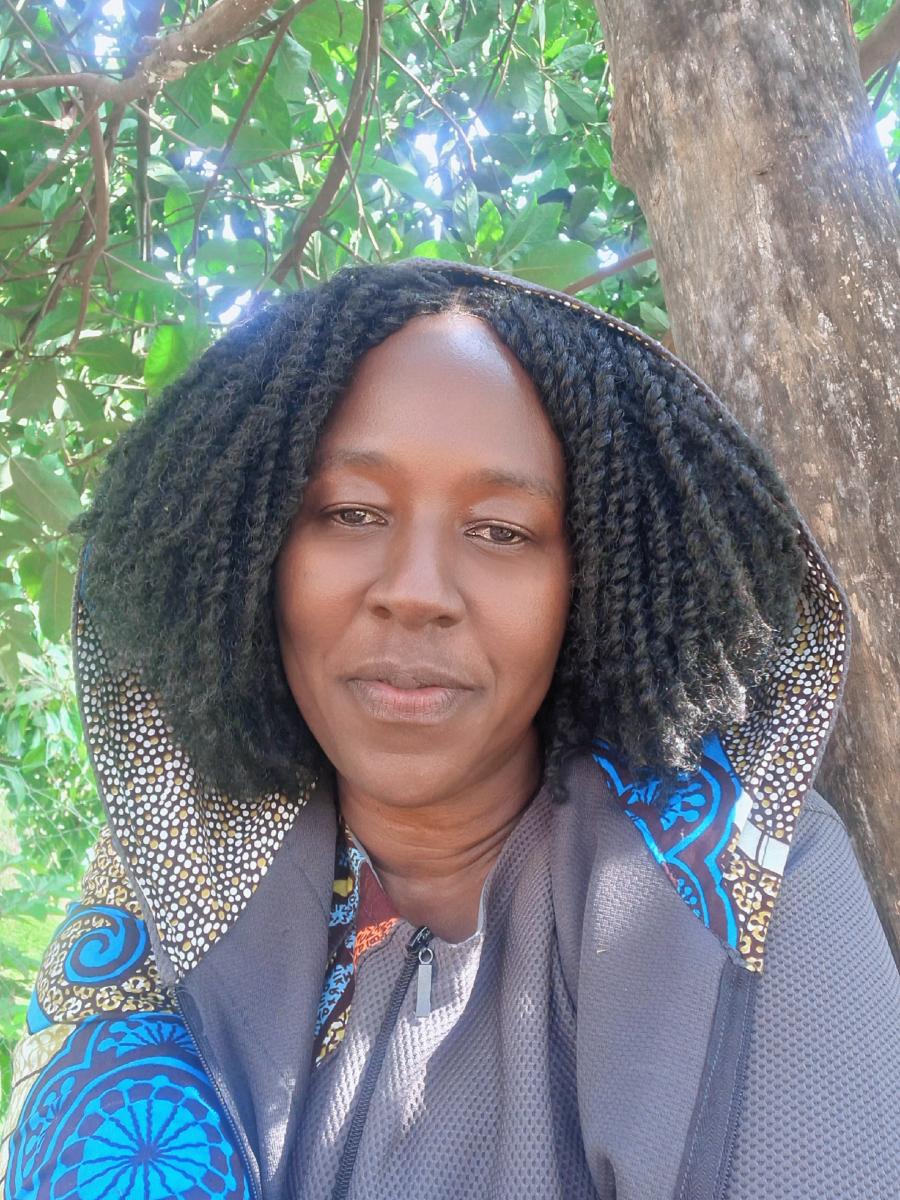
Rachel Kabue is the founder and Executive Director of Pendo Earth Foundation, and also founder of The Vegan Society of Kenya and Nairobi Feline Sanctuary. Vegan since 2012, she brings together animal protection, plant-forward food systems, environmental restoration and community education through her work. She is particularly interested in developing practical, lasting systems that reduce animal suffering while enabling people and ecosystems to thrive.
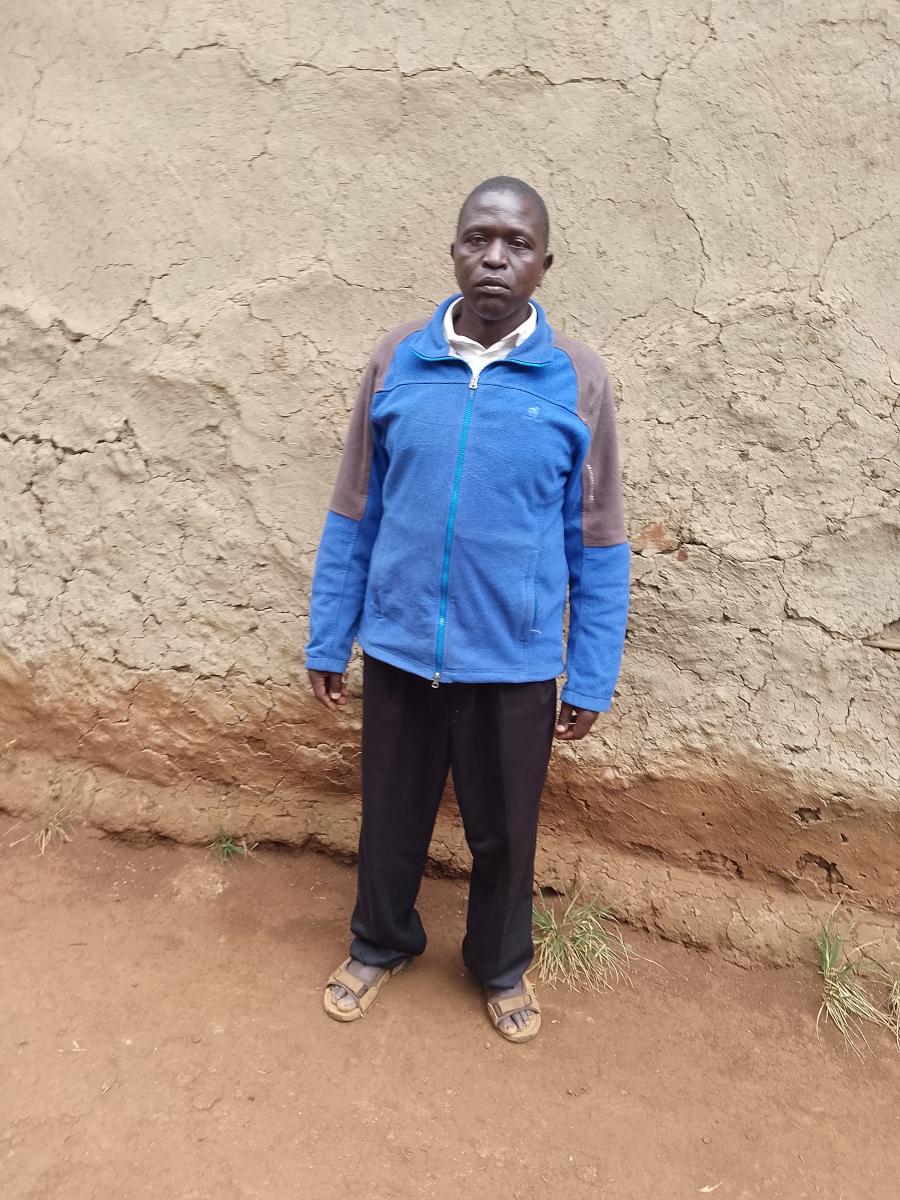
Kenneth Odhiambo is a trained pastor with over 15 years’ experience in Bible studies, and he holds a Diploma in Welding and Fabrication from Nairobi Industrial Institute. He then trained at Main Street Vegan Academy as a vegan lifestyle coach and educator and set up the Sondu Vegan Support Group, which holds a variety of community activities, such as vegan outreach (including events supported by The Vegan Society, UK), nutrition workshops, vegan cooking classes, veganic farming and seed distribution events, animal rights days and vegan football clubs for youths.
What is it like to be vegan in Kenya?
Rachel Kabue
Being vegan in Kenya is not as difficult as people might imagine because many of our staple foods are already naturally vegan. When I became vegan in 2012, the main challenge was finding vegan comfort foods and alternatives such as bread spreads and cheeses. Today, these products are readily available, even in ordinary local grocery stores, which shows how much has changed.
Socially, however, veganism was considered very unusual and many people did not understand it. Some of my family and friends still find it difficult to understand, although I often joke that they are even more shocked by the fact that I established a cat sanctuary!
Kenneth Odhiambo
Being a vegan in Kenya is usually linked to a healthy lifestyle and traditional cultural beliefs. Living a vegan lifestyle has helped me physically, emotionally and spiritually. It is joyful for me to help others embrace a vegan lifestyle for its benefits to animals, good health and the environment.
Tell us about your vegan activism
 Rachel Kabue
I had personally benefited from vegan organisations in other countries. They gave me information, community, practical guidance, recipes and, importantly, the assurance that I was not alone. I felt that people in Kenya could benefit from similar support and that a national organisation could also provide a strong platform for advocating for animals. That led me to establish The Vegan Society of Kenya (VSK).
In the beginning, I ran the organisation myself, although volunteers regularly joined me for street activism, distributing educational materials and supporting vegan school lunch programmes. Today, VSK focuses specifically on promoting veganism through advocacy, education and community-building.
Over time, I realised that some of the projects we undertook lost momentum once a particular programme ended. I wanted to create an organisation with a permanent physical base and demonstration areas, where ideas could be tested, developed and sustained over the long term.
That thinking led to the establishment of Pendo Earth Foundation. Pendo Earth has a broader mandate encompassing animal rights, environmental restoration, seed conservation, education, alternative proteins and plant-forward food systems. Our plant-forward work aims to help people rely less on animal products and animal-dependent economic systems. We also want to challenge the belief that an animal-heavy diet represents wealth or prestige, while building greater public understanding of animal sentience.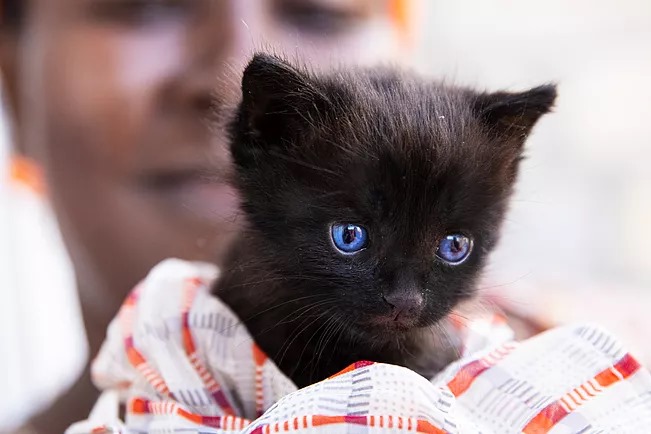
Nairobi Feline Sanctuary began unexpectedly with a tiny newborn kitten called Jet. A mother cat in my neighbourhood repeatedly gave birth to a single kitten, and the owner would ask security personnel to dispose of it. On one occasion, the person who had been given the kitten brought her to me instead. Jet was a neonate, so I nursed her. Word spread that I was caring for cats, and people began bringing more of them to me. Before long, I had 23 cats living in my house, and I realised that I needed to establish a sanctuary.
Today, the sanctuary cares for hundreds of cats while increasingly emphasising prevention through sterilisation, Trap-Neuter-Vaccinate-Return, responsible ownership and community education.
Kenneth Odhiambo
I became a vegan for health reasons and then an advocate for animal rights, as well as veganic farming. I created the Sondu Vegan Support Group in Kenya in 2022 to help people transition to a plant-based diet and grow their own nutritious food at home. Local doctors have recommended the group due to the many positive results.
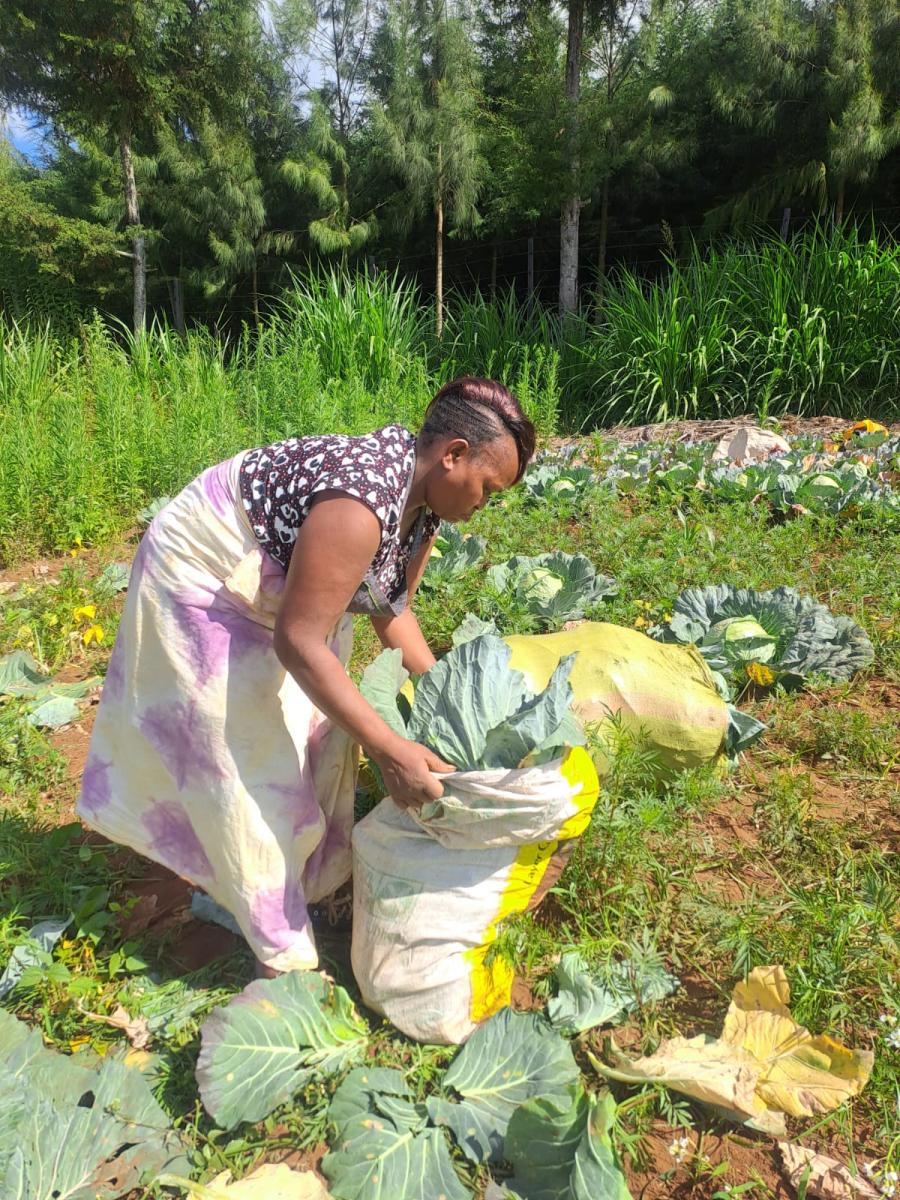
At Sondu Vegan Support Group, I work closely with local farmers and schools to promote vegan awareness, veganic farming and organic vegetable cultivation. I currently support 364 families in growing their own vegetables. In addition, I offer vegan cooking classes, teaching the community how to prepare healthy and delicious vegan meals using locally grown produce.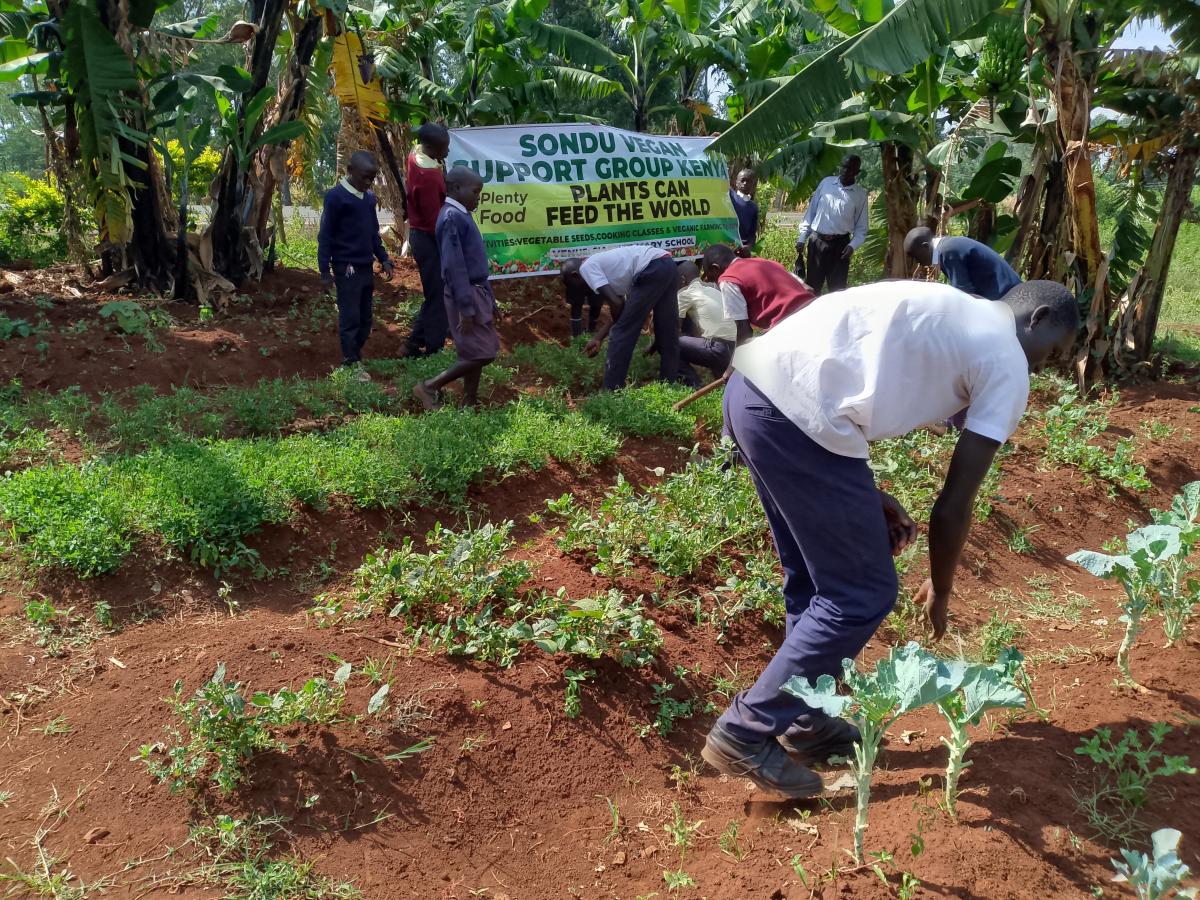 The group also hosts a library focused on organic and veganic farming methods and regularly lectures at 12 primary schools in the Sondu region, providing lessons, guidance and support with setting up school gardens. My educational efforts aim to teach students the fundamentals of vegan farming, from planting and cultivating vegetables to managing sustainable home gardens. Through this work, students not only gain practical knowledge but are also empowered to build a healthy and self-sufficient future.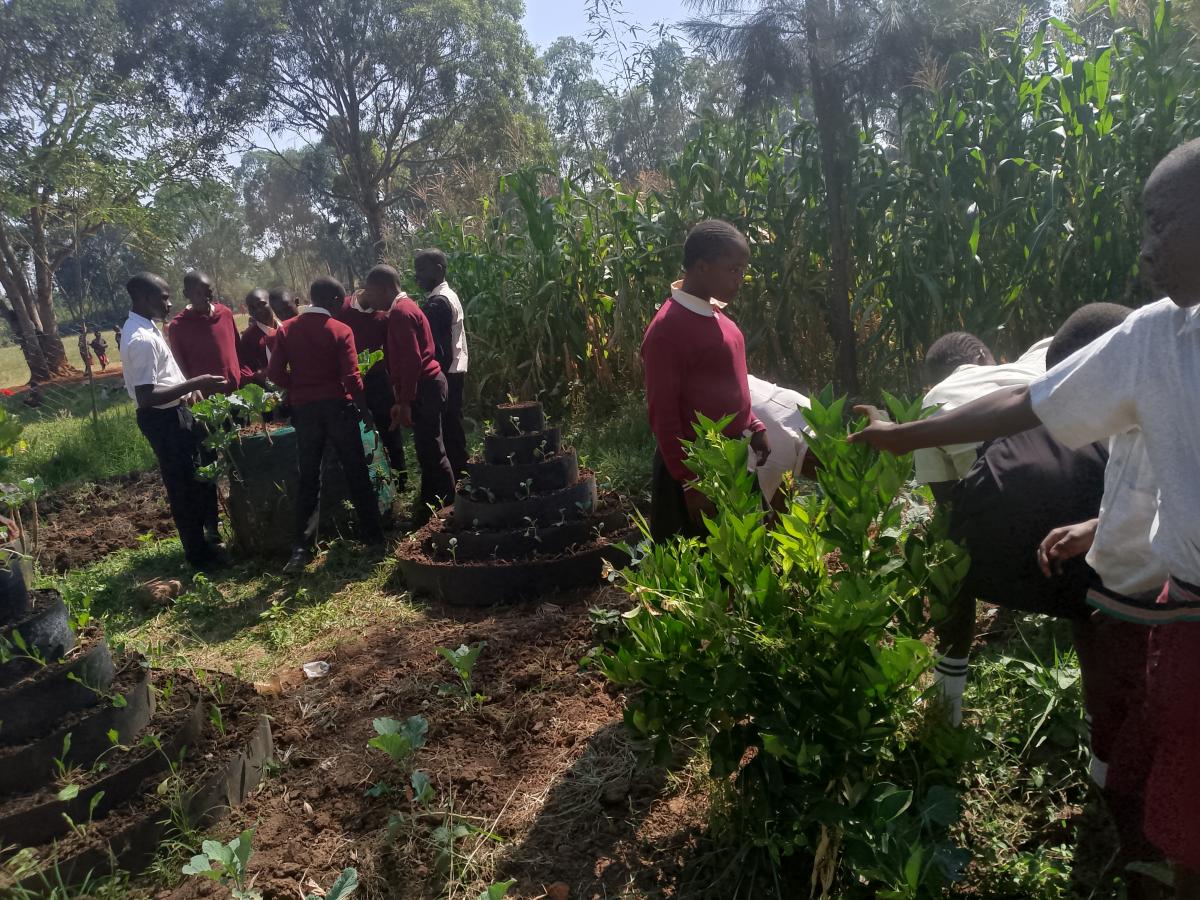
I provide students with organic seeds, tools and expert guidance. These school gardens contribute to improved nutrition, supporting better learning outcomes. The group is dedicated to promoting vegan methods of farming, animal rights protection, vegan educational outreach events and vegan lifestyle for healthier people and planet.
Under my mentorship programme, existing school gardens are transformed into productive organic vegetable cultivation plots. This project helps reduce reliance on industrial agriculture and promotes a sustainable, pesticide-free and fertiliser-free future based on natural farming principles.
 What do you do outside of work and activism?
Rachel Kabue
I love travelling to the lakeside because I have always enjoyed being near water. I like walking along the shore, sitting quietly with my feet in the lake and watching the fish.
On my lakeside land, there is a tree standing in the water that attracts thousands of birds. One of my favourite things is simply to sit there, watching them and listening to them sing. It gives me an opportunity to become still and enjoy the natural world without needing to do anything else.
Kenneth Odhiambo
I enjoy cycling, playing guitar, walking and hosting vegan football for youths.
What are your hopes for the future of veganism in Kenya?
Rachel Kabue
The change is already happening in Kenya, although slowly. I am seeing greater appreciation of plant-forward diets and gradual changes in how people think about animals.
In the future, I hope to see people relying less heavily on animal products and having access to viable alternatives to economic systems built around animal use.
Most importantly, I hope that education about animal sentience will lead people to recognise that animals are living beings whose experiences matter. Kenya already has a strong foundation of naturally plant-based staple foods, so plant-forward eating does not mean abandoning our culture. It can also mean rediscovering and appreciating what has always been part of it.
Kenneth Odhiambo
My persistent work in spreading the vegan message has touched many people of all ages in Sondu, and I am making progress because I see many people are eating vegan diets and some have become vegans. Veganism is not well known in Kenya, but we accept the challenge to keep presenting the benefits of veganism to the community to gradually change minds. The membership of the Sondu Vegan Support Group has grown from 35 to 314 active vegans.
What is your favourite vegan dish?
Rachel Kabue
My favourite dish is githeri, a traditional Kikuyu staple made with maize and beans. I enjoy mine cooked with carrots and potatoes.
During a visit to Ghana, I tasted a 100 per cent vegan version of shito made by a vegan chef. I brought some home, and it has become my new favourite accompaniment because it goes wonderfully with githeri. I love that the combination brings together a food rooted in my Kikuyu heritage and a new flavour discovered through my travels.
Kenneth Odhiambo
The favourite vegan dish is baked rice with vegetables and tomato sauce.
Support The Vegan Society
It was an honour to facilitate the funding of these projects in 2025. Vegan activism continues to grow and thrive across the globe, and we look forward to seeing what the organisers of these projects go on to achieve.
Please consider donating to support The Vegan Society's work and help continue our mission to create a more vegan world.
The views expressed by our bloggers are not necessarily the views of The Vegan Society.