Vegan Society Dietitian, Emily Angus, discusses the importance of iron.
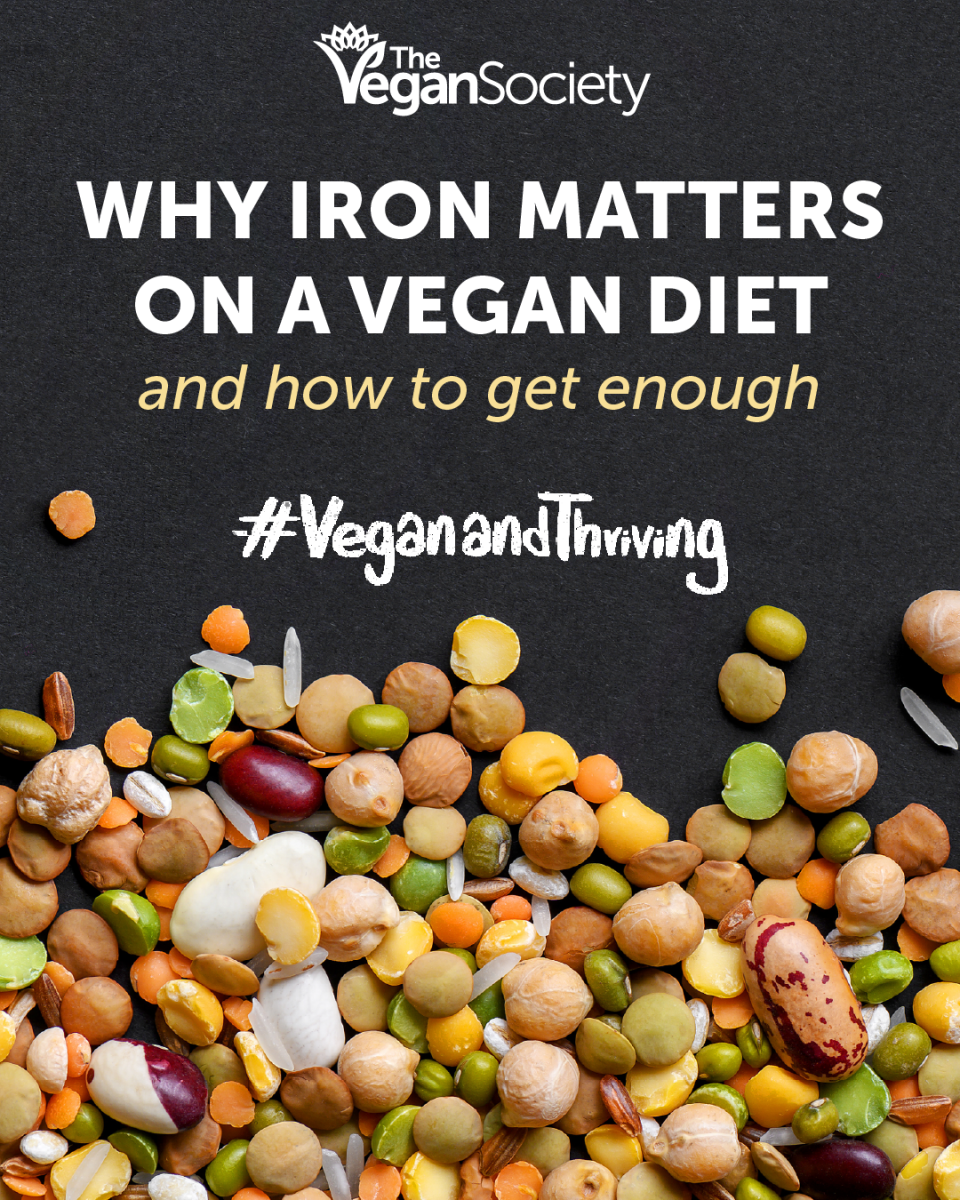 As a vegan dietitian, one of the most common questions I’m asked is whether you can get enough iron on a vegan diet – and I understand why. Iron plays a crucial role in our health, and there are still plenty of myths around plant-based sources.
In reality, iron isn’t just something vegans need to think about; it’s something everyone should be mindful of. The good news is that with a little understanding and a few simple habits, meeting your needs on a vegan diet is absolutely achievable.
Why iron matters
Iron is essential for transporting oxygen around the body. Therefore, when iron intake is too low, oxygen delivery becomes less efficient and symptoms may develop, including:
- fatigue and low energy
- dizziness
- difficulty concentrating
- reduced immunity
Iron deficiency is one of the most common nutrient deficiencies globally and affects people across all dietary patterns, not just vegans. While low dietary intake can contribute, deficiency may also result from reduced absorption (e.g. digestive conditions like inflammatory bowel disease) or increased losses, such as menstruation, pregnancy or surgery.
Iron in vegan diets
Iron is naturally present in many plant foods, in the form of non-haem iron, which compared to haem iron found in animal products, is absorbed at a slower rate.
While this may sound like a disadvantage, vegans and vegetarians are no more likely to have iron levels below the healthy range or to develop iron deficiency anaemia than omnivores. This is partly because the body adapts. When iron stores are low, absorption increases to help maintain balance – an adaptation observed in both vegetarians and vegans.
Who may need to pay closer attention?
Some people may have higher iron requirements including:
- people who menstruate
- pregnant individuals
- adolescents
- endurance athletes
If this applies to you, it’s worth being mindful of your daily intake.
Getting enough iron on a vegan diet
To make sure you are getting enough iron on a vegan diet, it is important to include a variety of iron-rich plant foods across your day, such as:
- lentils, chickpeas, beans and peas
- tofu, tempeh and other soya foods
- nuts and seeds (such as pumpkin seeds, sesame and cashews)
- wholegrains like oats and quinoa
- dark leafy greens
- dried fruits such as apricots and figs
- fortified foods, including cereals and breads
Supporting absorption
When it comes to iron, how you eat matters just as much as what you eat! Here are some simple ways to help maximise absorption:
- Pair iron-rich foods with food rich in Vitamin C (peppers, citrus fruits, berries). These can help increase the amount of iron your body absorbs from plant foods.
- Consume potential inhibitors away from meals where possible. These include tea and coffee (which contain tannins and polyphenols), phytates (found in wholegrains, pulses and nuts) and calcium (including supplements or fortified drinks). A useful guide is around one hour before or after meals.
- Use food preparation methods like soaking, sprouting and fermenting, as these can help reduce compounds like phytates that inhibit iron absorption and improve mineral availability.
Do you need a supplement?
Most people following a varied, well-planned vegan diet can meet their iron needs through food alone. However, supplements may be appropriate in some situations, particularly if deficiency is diagnosed or needs are higher. These should always be discussed with a GP or registered dietitian, as excessive iron intake can be harmful.
For the general population, it can be helpful to take a whole-diet approach rather than focusing on individual nutrients in isolation. Include a range of iron-rich foods, pair them with foods that support absorption and be mindful of factors that may reduce it. These simple strategies can make meeting your iron needs feel much more manageable.
Want to learn more?
Explore our full guide to iron and discover more tips to help you stay vegan and thriving.
The views expressed by our bloggers are not necessarily the views of The Vegan Society.