


Why is iodine important?
Iodine is an essential mineral used by your body to make thyroid hormones.
Thyroid hormones are essential for supporting a healthy metabolism and for growth and brain development during pregnancy and childhood. Getting the right amount of iodine in your diet is important, as both iodine deficiency and excessive iodine intake can lead to thyroid dysfunction.
How much Iodine do you need?
The recommended iodine intake for adults is 140mcg (micrograms) per day.
Requirements for pregnancy, breastfeeding and childhood differ. You can find out more about iodine needs during different life stages in our Life Stages web pages.
Vegans are at higher risk of iodine deficiency than the general population, as not many plant foods naturally contain iodine.
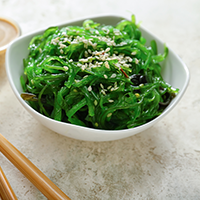
One exception to this is seaweed, which contains high levels of iodine. However, regular seaweed consumption can lead to excess iodine consumption, as some varieties including brown seaweed and kelp contain extremely high amounts.
There are two main ways that vegans can ensure a reliable intake of iodine:
- Take a daily supplement containing potassium iodide or potassium iodate, such as The Vegan Society’s VEG 1*
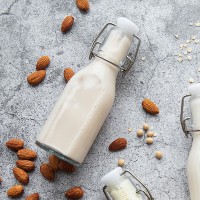
- Consume at least 500ml of iodine-fortified plant-based dairy. Choose products that contain around 25mcg of iodine per 100ml.
Iodised salt is also available in many countries, but is not recommended for maintaining iodine intake. This is because high-salt diets have been linked to high blood pressure, which can increase the risk of heart disease and stroke.
*If you have a thyroid disease, you should check with your GP before starting an iodine supplement.
Iodine tips to take away
The following options are reliable ways of meeting your iodine needs on a vegan diet:
-
Drink 500 mL of an iodine-fortified milk alternative daily.
-
Take a daily iodine supplement.
Further information
For a more detailed overview of the science behind iodine and diet, download our ‘iodine’ PDF resource. You may also be interested in checking out the following webpages:
- Vegan diets and iodine: a vegan dietitian’s perspective.
- Life stages – including pregnancy, breastfeeding and different age groups.
The Vegan Society 2026. Review date: April 2029
Refrences
-
British Dietetic Association (2019). Iodine: Food Fact Sheet; www.bda.uk.com/resource/iodine.html (accessed 16 April 2026)
-
Committee on Medical Aspects of Food and Nutrition (1991). Dietary Reference Values for Food Energy and Nutrients for the United Kingdom London: HMSO.
-
Leung AM & Braverman LE (2012). Iodine-induced Thyroid Dysfunction. Current Opinion in Endocrinology, Diabetes and Obesity, 19: 414–419
-
Public Health England (2016). Government Dietary Recommendations. Government recommendations for energy and nutrients for males and females aged 1-18 years and 19+ years, https://assets.publishing.service.gov.uk/media/5a749fece5274a44083b82d8/government_dietary_recommendations.pdf (accessed 16 April 2026).
-
Scientific Advisory Committee on Nutrition (2014). SACN Statement on Iodine and Health,www.gov.uk/government/uploads/system/uploads/attachment_data/file/339439/SACN_Iodine_and_Health_2014.pdf (accessed 16 April 2026)
-
Teas J, Pino S, Critchley A & Braverman LE (2004). Variability of Iodine Content in Common Commercially Available Edible Seaweeds. Thyroid 14: 836–841