Kaya Gromocki, who has been managing our International Grants Programme since 2018, speaks to two Ugandan vegans to learn about their work and what it means to be vegan in Uganda.
Veganism is a growing movement in Uganda and many other African countries, with The Vegan Society receiving an increasing number of grant applications from Ugandan vegans in the last five years.
Here, we shine a light on the inspiring work being done by two vegan activists campaigning for a more vegan world, by promoting veganism in Uganda. Read on to learn about what it's like to be vegan in Uganda, and what these two individuals are doing to educate their communities.
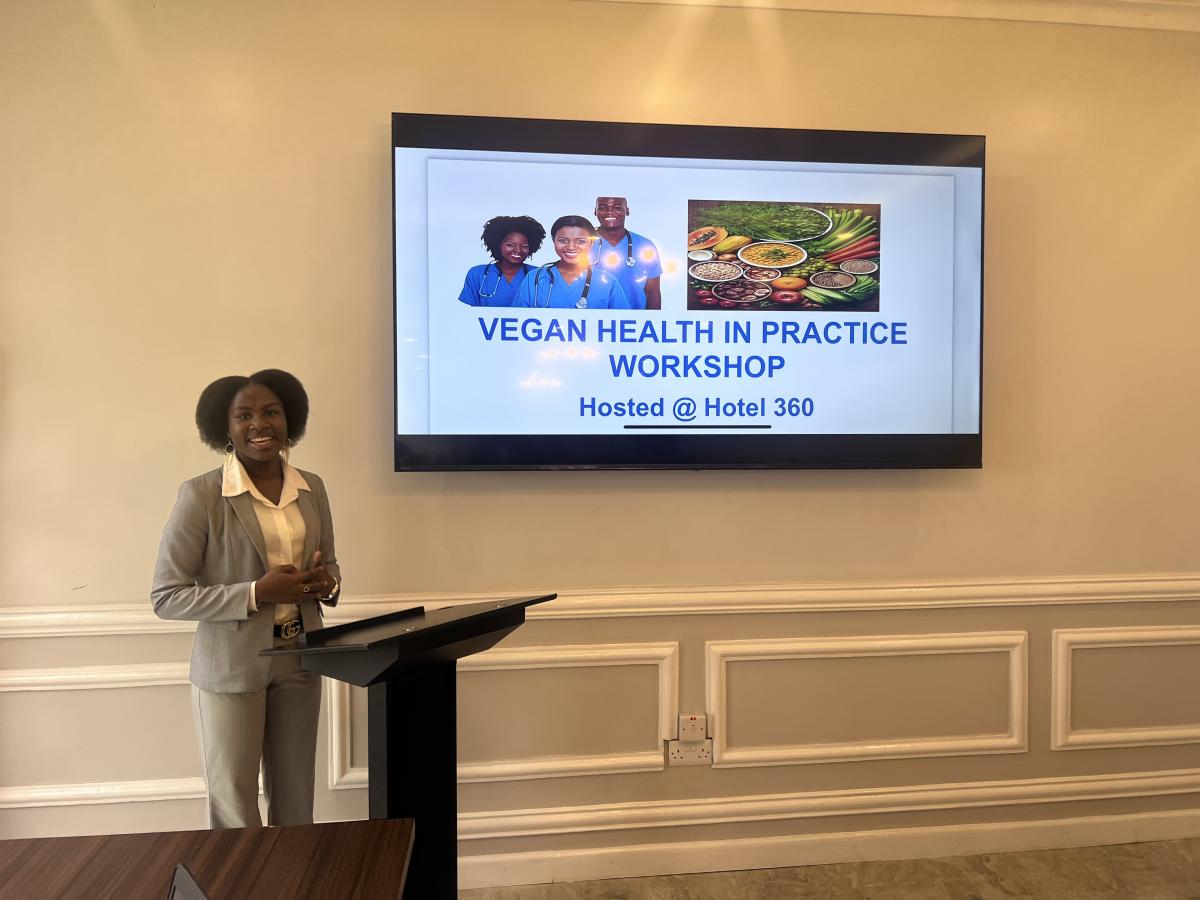
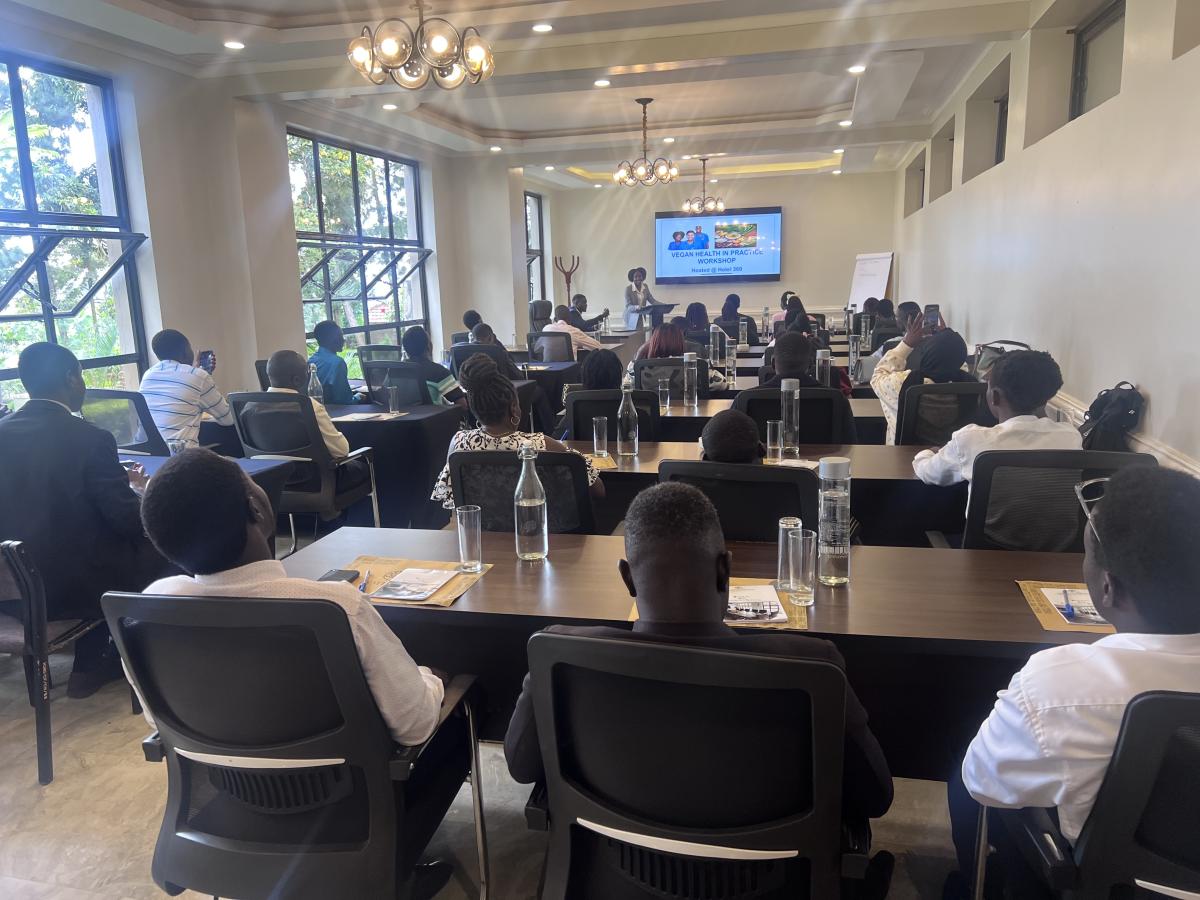
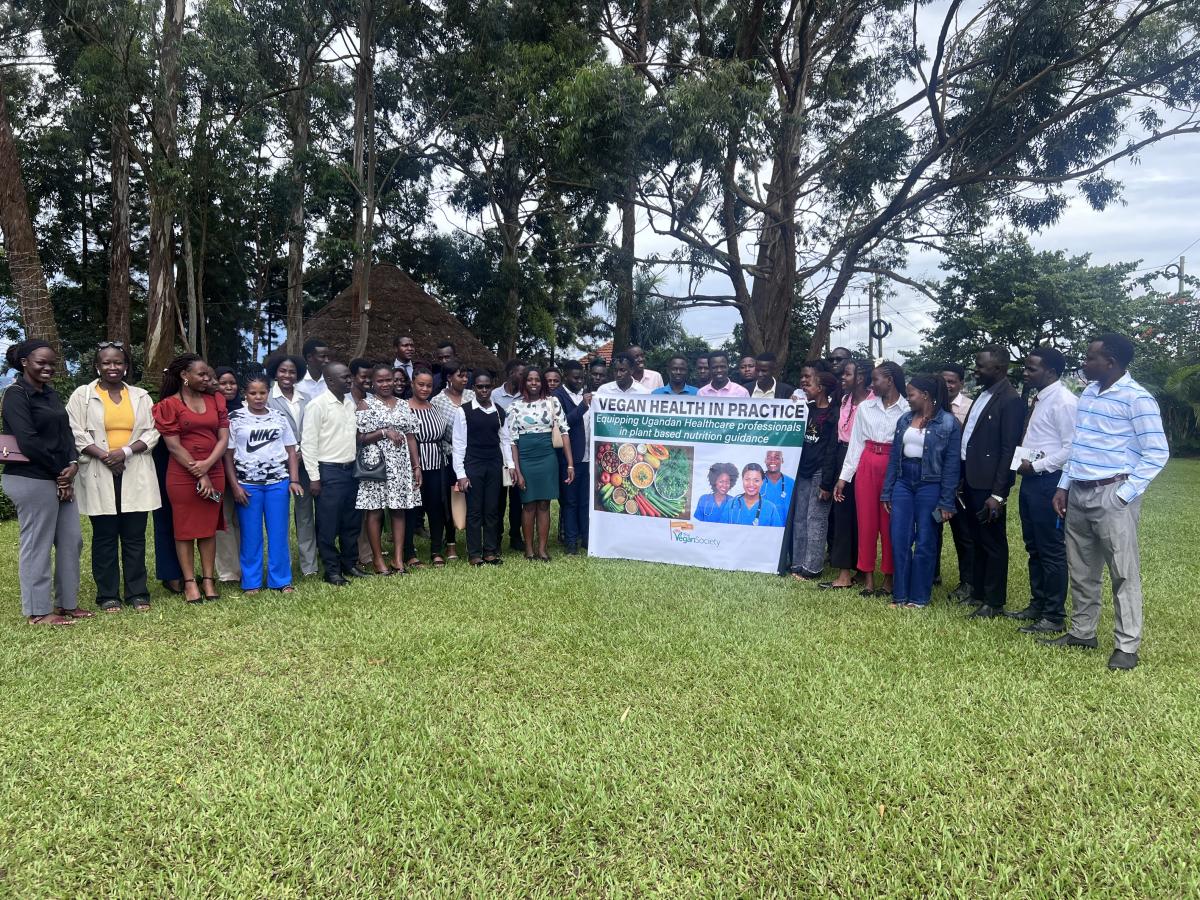
Joy Sanyu is a Ugandan medical professional. In 2025, Joy was awarded a grant from The Vegan Society which she used to conduct a workshop in the nation’s capital, Kampala. The day included training healthcare professionals about well-planned vegan diets and increasing awareness of evidence-based vegan nutrition within clinical settings to create stronger interest in plant-based preventive healthcare.
The project also strengthened collaboration between medical professionals and vegan advocates in Uganda. The feedback from participants showed increased confidence in discussing vegan nutrition with patients and several attendees expressed interest in integrating plant-based guidance into their clinical practice and future health education activities.

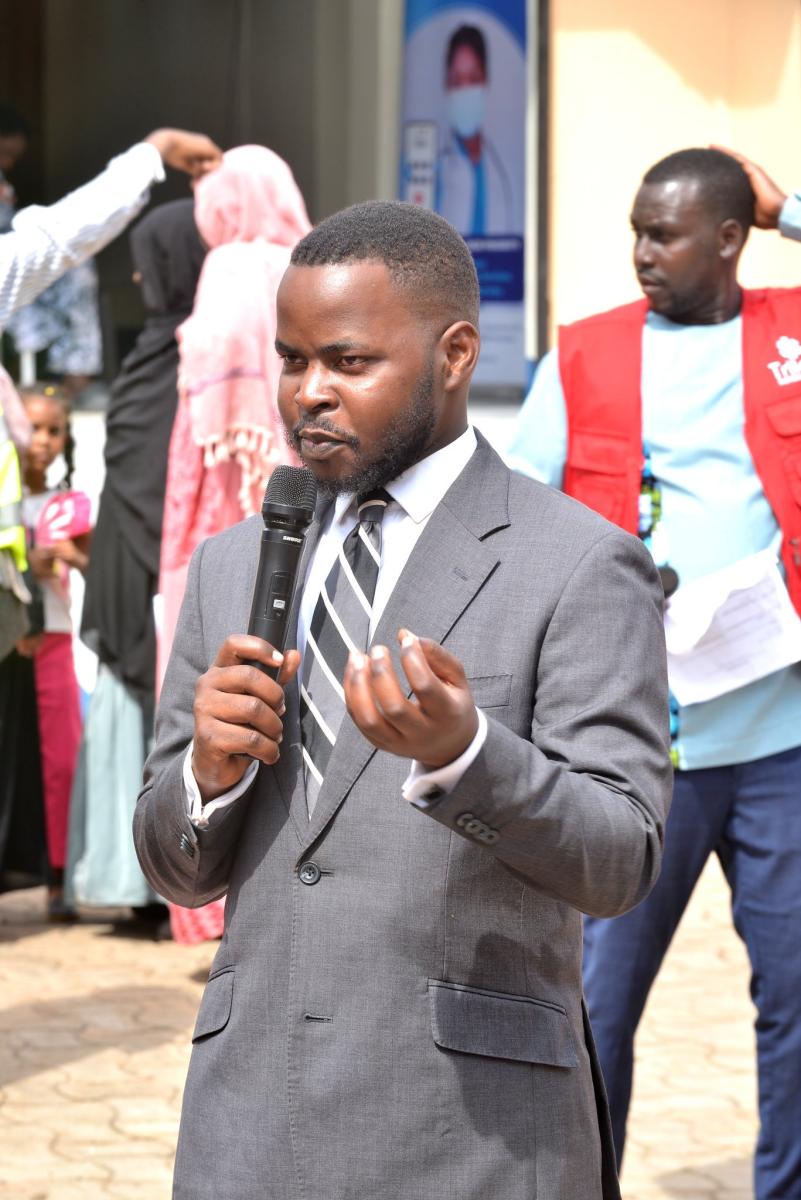
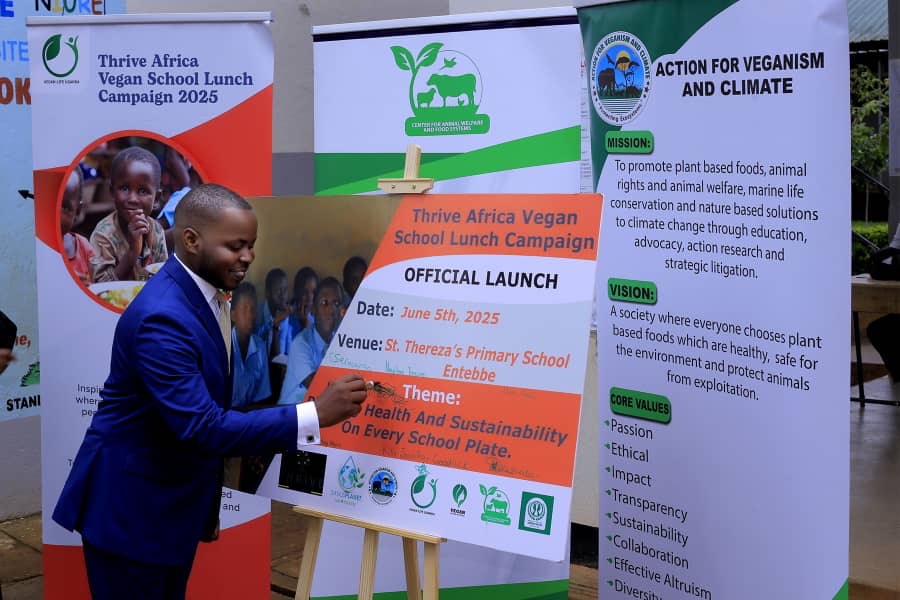
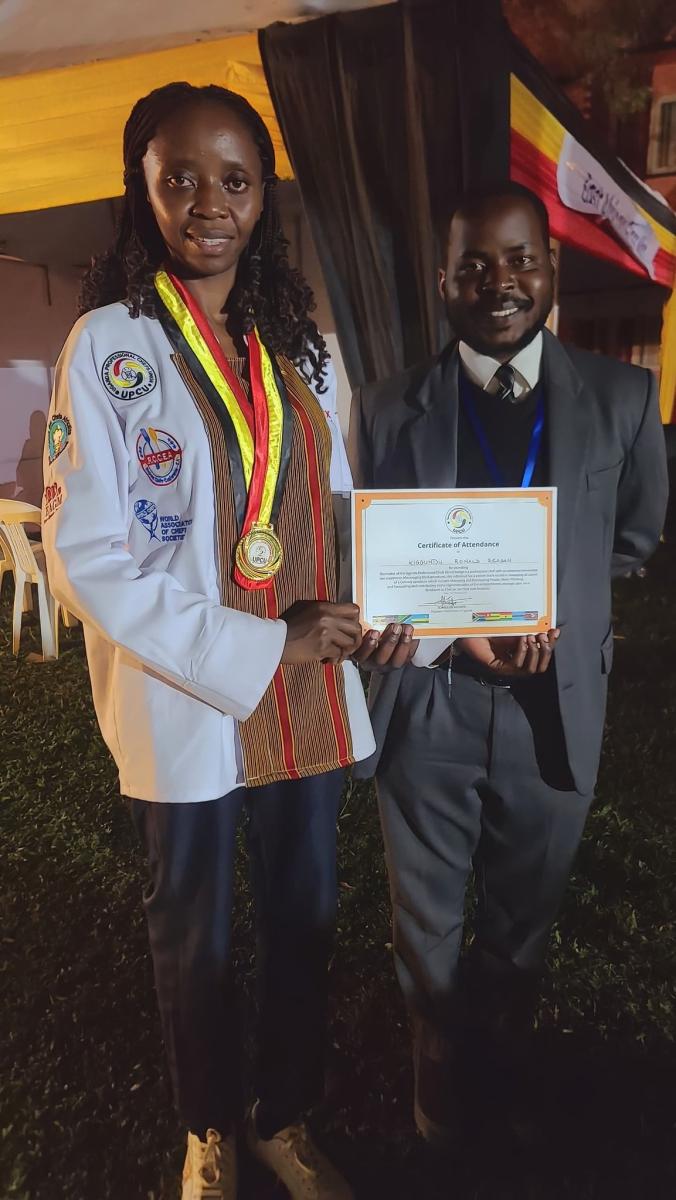
Kiggundu Ronald Reagan is team lead for Action for Veganism and Climate Uganda, a think tank advancing sustainable food systems, farmed animal advocacy and climate action. He volunteers as a facilitator for the Effective Altruism Introductory programme at Effective Altruism South Africa and Effective Altruism Kampala. He is also a member of the Effective Animal Researchers Network (EARN) Africa, the first continent-wide network focused on increasing the collective impact of animal advocacy research in Africa. He has also been selected for the Pro Veg Youth Board, working towards events like the Bonn Climate Conference, which takes place every June, the World Food Forum flagship events in October, and upcoming COPs, including COP31 in Antalya and COP32 in Ethiopia.
What is it like to be vegan in Uganda?
Joy Sanyu
Being vegan in Uganda is both rewarding and challenging. On the positive side, many traditional Ugandan foods are naturally plant-based. Staples such as beans, peas, groundnuts, sweet potatoes, cassava, millet, matooke, rice, vegetables and fruits are widely available and affordable. This makes it possible to maintain a healthy vegan lifestyle without relying on expensive speciality products.
However, veganism is still relatively uncommon and often misunderstood. Many people associate a complete meal with having meat, dairy milk or eggs included, and some find it difficult to understand why someone would choose not to consume animal products. Eating out can also be challenging because restaurants rarely label vegan options or offer meat substitutes, so you often have to explain your dietary requirements.
From a cultural perspective, livestock play an important part in many Ugandan communities, including among indigenous groups. Despite this, I have found that when people learn about the benefits of veganism for animals, health and the environment, they are often open to meaningful conversations. My experience as a vegan in Uganda has taught me patience, resilience and the importance of education.
Kiggundu Ronald Reagan
Being a vegan in Uganda is often a mix of easy food access and social challenges. On the food side, many traditional Ugandan staples are already plant-based and easily accessed.
On the social side, veganism is still a minority lifestyle, so people may find it unusual or associate it with foreign ideas. However animal and vegan advocacy organisations are actively working to educate locals on plant-based diets, animal rights and sustainable agriculture.
Many Ugandans often view veganism as unusual when it is motivated by animal rights rather than human health.
In Uganda, vegan eating has become easier over the past few years because organizations like Action for Veganism and Climate have influenced many restaurants and hotels to add plant-based options through the Thrive Africa Vegan Restaurant Week.
However, when eating out, saying “no meat” or specifying “plant-based only” often works better than using the word “vegan”, which many waiters might not recognise.
Uganda is highly religious, with large Christian and Muslim populations. No religion in Uganda requires veganism, but they have fasting periods, meat-free days and emphasize compassion towards non-human animals. As a result, veganism is usually viewed as a personal lifestyle rather than a religious obligation.
In Ugandan communities, meat carries social significance. Serving it to guests is considered generous. Additionally, meat is associated with celebration, prosperity and hospitality. This means a vegan may occasionally have to explain their choices during family gatherings, weddings or community events.
At the same time, because many everyday meals are centred on staples such as bananas, ground nuts and vegetables, it is often possible to participate in meals without drawing too much attention once people understand your preferences.

Can you tell us about your vegan activism?
Joy Sanyu
As a medical doctor, my vegan activism is primarily driven by the growing body of scientific evidence demonstrating the health benefits of balanced vegan diets. I am passionate about helping people understand how vegan nutrition can support the prevention and management of non-communicable diseases, such as hypertension, type 2 diabetes, obesity and cardiovascular disease.
My work focuses on educating communities, healthcare professionals and policymakers about evidence-based vegan nutrition. I regularly participate in health awareness campaigns, public education programmes and professional discussions that promote plant-based approaches to health and well-being. I am also committed to building the capacity of my fellow healthcare professionals by providing training and educational sessions for doctors, nurses and other health workers on the role of plant-based diets in preventive medicine and public health.
Through these efforts, I hope to bridge the knowledge gap around vegan nutrition in Uganda's healthcare sector and empower both patients and healthcare providers to make informed dietary choices. For me, vegan advocacy is not only about reducing animal suffering and protecting the environment, it is also about improving overall population health and creating healthier communities.
Kiggundu Ronald Reagan
My vegan activism is centred on promoting plant-based food systems, farmed animal advocacy and climate action through education, corporate outreaches, research and strategic litigation. I believe that the choices we make about food can improve human health, reduce animal suffering and contribute to environmental sustainability.
I have been involved in promoting plant food choices among university students and staff through the plant-powered campus campaign. Meanwhile, through the Thrive Africa Vegan Restaurant Week, we have influenced restaurants and hotels to add plant-based options on their menus.
As a member of the Effective Animal Researchers Network Africa, I contribute to research, knowledge-sharing and evidence-based approaches that increase the impact of vegan and animal advocacy in Africa.
As a member of the ProVeg youth board, I have opportunities to engage with international processes such as the Bonn Climate conferences, World Food Forum flagship events and upcoming CoPs. This platform elevates youth engagement and ensures their perspectives are meaningfully represented in conversations about sustainable food agriculture, nutrition and climate action on a global stage.
Do you experience any barriers to being vegan?
Joy Sanyu
Yes, there are several barriers. One of the biggest challenges is the widespread misconception that veganism is a foreign concept or something only wealthy people can afford. However, many traditional Ugandan foods are naturally vegan and often less expensive than animal products.
Another challenge is social pressure. Family gatherings, celebrations and public events frequently revolve around meat consumption, and vegans may be questioned about their choices. Limited awareness among healthcare providers and educators can also make it difficult for dietary vegans to access accurate information about plant-based nutrition.
In some rural communities, livestockis closely tied to identity, status and livelihood, making conversations about veganism particularly sensitive. Nevertheless, I have found that respectful dialogue and practical examples can help overcome many of these barriers.
Kiggundu Ronald Reagan
Yes, one challenge is limited the awareness and understanding of veganism among the general public. Many people are unfamiliar with vegan diets and may view them as difficult to follow. Social situations can also be challenging, especially during family gatherings, community events and celebrations where cooking animal-based foods is often central to the meal.
What do you hope to see for the future of veganism in Uganda?
Joy Sanyu
I hope to see veganism become a recognised and respected lifestyle choice throughout Uganda. I would like to see more schools teaching plant-based nutrition, more restaurants offering vegan options and more healthcare professionals providing evidence-based information on vegan diets.
I also hope to see a shift toward sustainable food systems that reduce our dependence on intensive animal agriculture while improving food security and climate resilience. Uganda has enormous potential to become a leader in plant-based agriculture because of its favourable climate and rich agricultural traditions.
For animals, I hope to see stronger animal welfare protections and greater public recognition that animals are sentient beings deserving compassion and respect.
My long-term vision is a Uganda where choosing veganism is easy, accessible and supported by communities, institutions and policymakers. I believe this future can contribute to better health, environmental sustainability and a more compassionate society.
Kiggundu Ronald Reagan
Through my work in vegan advocacy, I want to see greater public awareness of the connection between food choices, non-communicable diseases, climate change, food security and animal rights. Many Ugandan diets already rely heavily on plant-based staples such as beans, ground nuts, bananas, millet, cassava and vegetables. I hope we can build on these traditions and celebrate them as part of a healthy and sustainable future.
In education, I would like to see schools, universities and community programmes provide more information about plant-based nutrition, sustainable food systems and compassion towards animals. Young people are especially important because they will shape the future of our food culture and environmental stewardship.
From a policy perspective, I hope governments and institutions increasingly recognise the role of plant-based food systems in addressing public health challenges, reducing greenhouse gas emissions, improving food security and creating sustainable livelihoods. This could include greater support for farmers growing legumes, fruits, vegetables and other plant foods, as well as investment in food innovation and nutrition programmes.
I also hope to see stronger protection for animals and a growing recognition that animals are sentient beings deserving moral consideration. As public awareness increases, I believe more people will embrace compassionate choices that reduce animal suffering.
Looking further ahead, my ambitious vision is for Uganda to become a leader in sustainable and climate-friendly food systems in Africa. I would like to see thriving plant-based businesses, the greater availability of vegan foods, stronger advocacy networks, and communities where choosing vegan options are easy, affordable and socially accepted.
Ultimately, I hope for a future where healthy plant-based foods are accessible to everyone, where animals are treated with greater compassion and where our food systems contribute positively to both people and the planet. Through education, advocacy and action research, I believe meaningful progress towards that future is possible.
What is your favourite vegan dish to eat?
Joy Sanyu
My favourite vegan dish is a traditional Ugandan meal of matooke served with beans and groundnut sauce, accompanied by steamed greens such as sukuma wiki or dodo. It is nutritious, affordable, satisfying and reflects the rich plant-based culinary traditions that already exist in Uganda.
Kiggundu Ronald Reagan
Vegetables, rice and beans.
Support The Vegan Society
It was an honour to facilitate the funding of these projects in 2025. Vegan activism continues to grow and thrive across the globe, and we look forward to seeing what the organisers of these projects go on to achieve.
Please consider donating to support The Vegan Society's work and help continue our mission to create a more vegan world.
The views expressed by our bloggers are not necessarily the views of The Vegan Society.