Kaya Gromocki, who has been managing grant-giving at The Vegan Society since 2018, reflects on the growth of veganism around the world
She shares exciting plans and results from the projects that we funded in 2025, demonstrating the hard work of vegan activists across a broad landscape of cultures and communities.
Managing Grants at The Vegan Society
I have been managing grant-giving at The Vegan Society since 2018. Over the years, the programme has grown and evolved to better support the global vegan landscape. This evolution has given me the unique opportunity to witness the scale of vegan activism that is currently taking place across the globe.
During my time funding vegan projects, I’ve read over a thousand applications from activists and organisers from almost every continent.
When we first began to promote our fund internationally, it was exciting to be flooded with projects from people in countries such as Nigeria, Uganda, Brazil, Tanzania, Malaysia, Pakistan, Ukraine and Morocco.
My own perspective was broadened, and I experienced the joy of learning about vegan communities beyond the UK vegan scene. I had the privilege of reading about vegans living in rural fishing villages in Kenya, religious communities on Caribbean Islands or tribal groups in Burundi.
The challenges of following a vegan diet in different countries
I was confronted with questions around what it means to be vegan if you don’t have access to convenient alternatives in your local supermarket, if you are experiencing food insecurity, or live in a community in which animal abuse is embedded in your religion or cultural practices.
I was certainly confronted by my own ease of access to a balanced diet, all the nutrients I need, resources and community – not to mention my ability to choose foods such as meat substitutes, my ability to indulge in processed foods, and find vegan options on most menus in my home country.
Veganism is Far from a Western Invention
Equally, I was made aware of communities for whom the principles of veganism are already central to their way of life or their faith. I am reminded that many religions and cultures have been practising the principles of veganism long before people in my own sphere of reference.
Vegan philosophy dates back thousands of years, and ethical vegans have roots in Greek philosophy, Buddhism, Rastafarianism and ancient Indian religions such as Jainism.
This broad spectrum of schools of thought was reflected in the projects we funded in 2025. We funded seven projects with grant funds totalling £26,000. These projects were based in Nigeria, Kenya, Malawi, Somalia, Uganda and Greece.
Vegan Africa
These projects demonstrate the impressive efforts of vegan activists and professionals working to change cultural perceptions and attitudes towards veganism, and plant-based foods in African cuisine. Their projects showcase a growing shift away from animal-based food and towards a more vegan-friendly landscape.
Agricultural Policy in Nigeria
In Nigeria, we funded a project that worked to create a policy document to advocate for subsidies for plant-based farming. This project also worked with local farmers to encourage them to pledge to transition away from animal farming and animal products. The team had fantastic results, with a total of 105 farmers signing their ‘Vegan Transition Forms’.
Additionally, the project leads noted that the establishment of a fully vegan restaurant in Akwete marks a practical milestone in shifting local food systems toward sustainable alternatives and encouraging locals to embrace vegan versions of delicious dishes and familiar favourites.
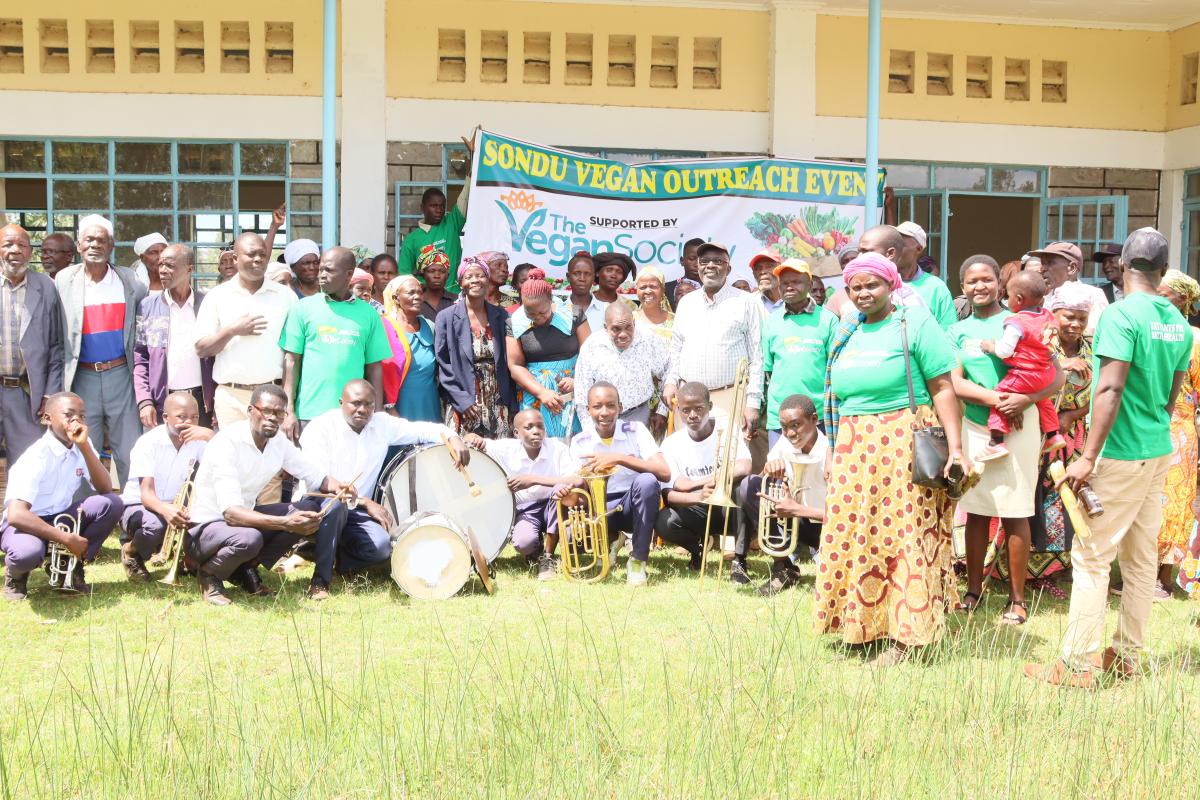
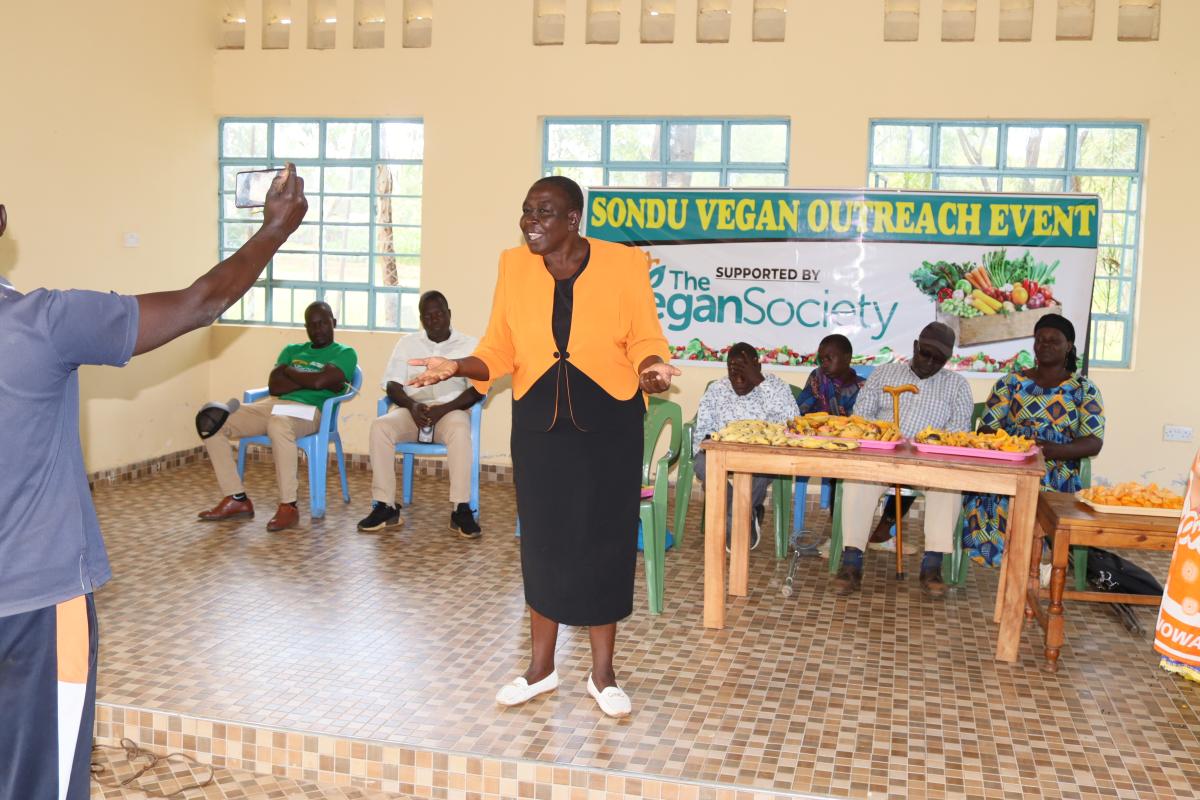
In Kenya, we funded a project called ‘Sondu Vegan Outreach’ that involved a 3K procession, with banners and a marching band. The organisers said their procession symbolised “unity, compassion, and our shared commitment to a healthier, kinder and plant-powered future in Vegan.”
The event included inspiring conversations, practical demonstrations, and community engagement activities designed to empower individuals and promote sustainable, compassionate living through a vegan lifestyle and vegan diet.
A Vegan Food Festival in Malawi
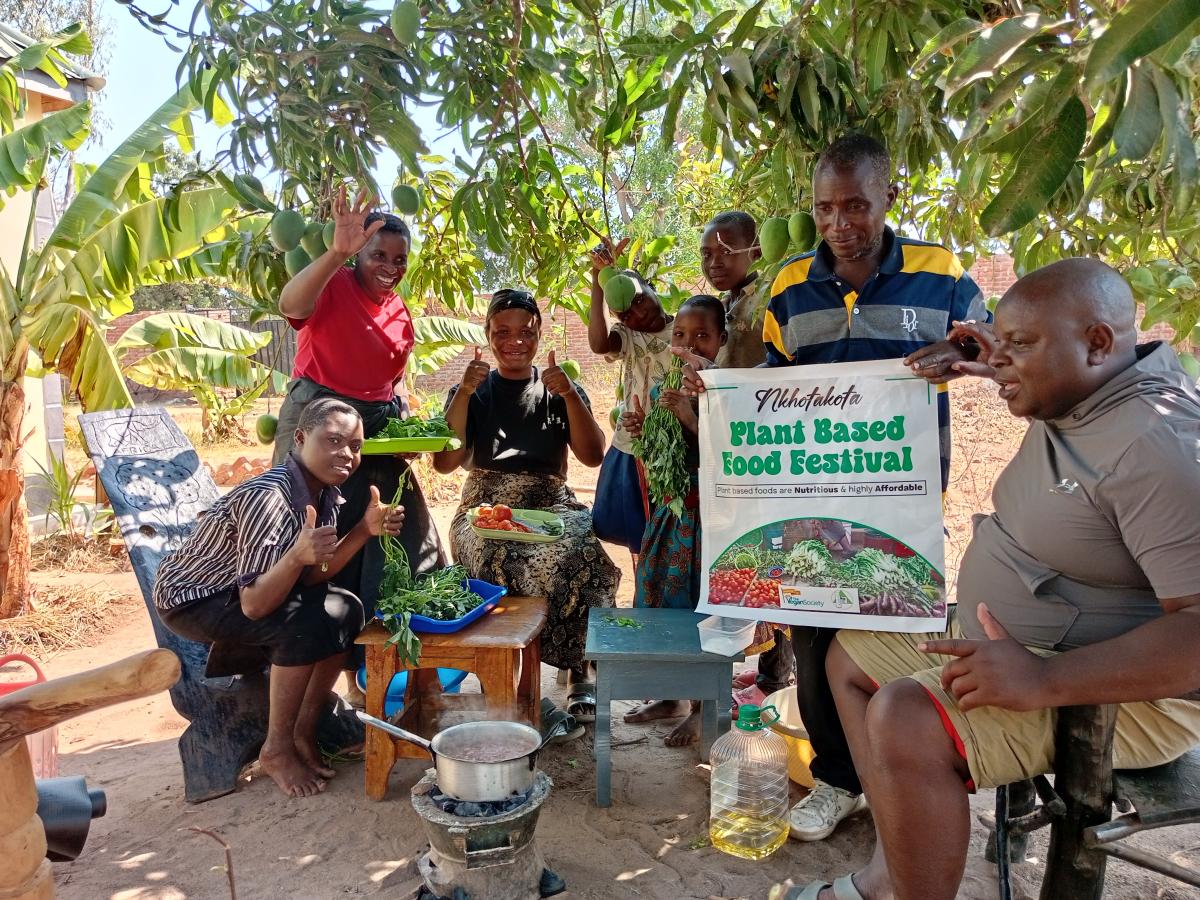
In Malawi, we funded a project called ‘Nkhotakota (Taste of Tomorrow) Festival: A Celebration of Local Flowers & Plant-Powered Possibilities’.
This was a one-day event, designed to gently introduce the principles and delicious possibilities of plant-based foods to the predominantly non-vegan community of Nkhotakota, Malawi.
The organisers said “Leveraging our organisation's proven experience in community engagement, nutrition education, and sustainable food initiatives, this festival will focus on accessibility, cultural relevance, and positive experience rather than dogma. Our goal is to demystify vegan food, showcase its health and environmental benefits using local ingredients, and inspire participants to incorporate more plant foods into their diets.”
Educating health professionals on a balanced vegan diet in Uganda
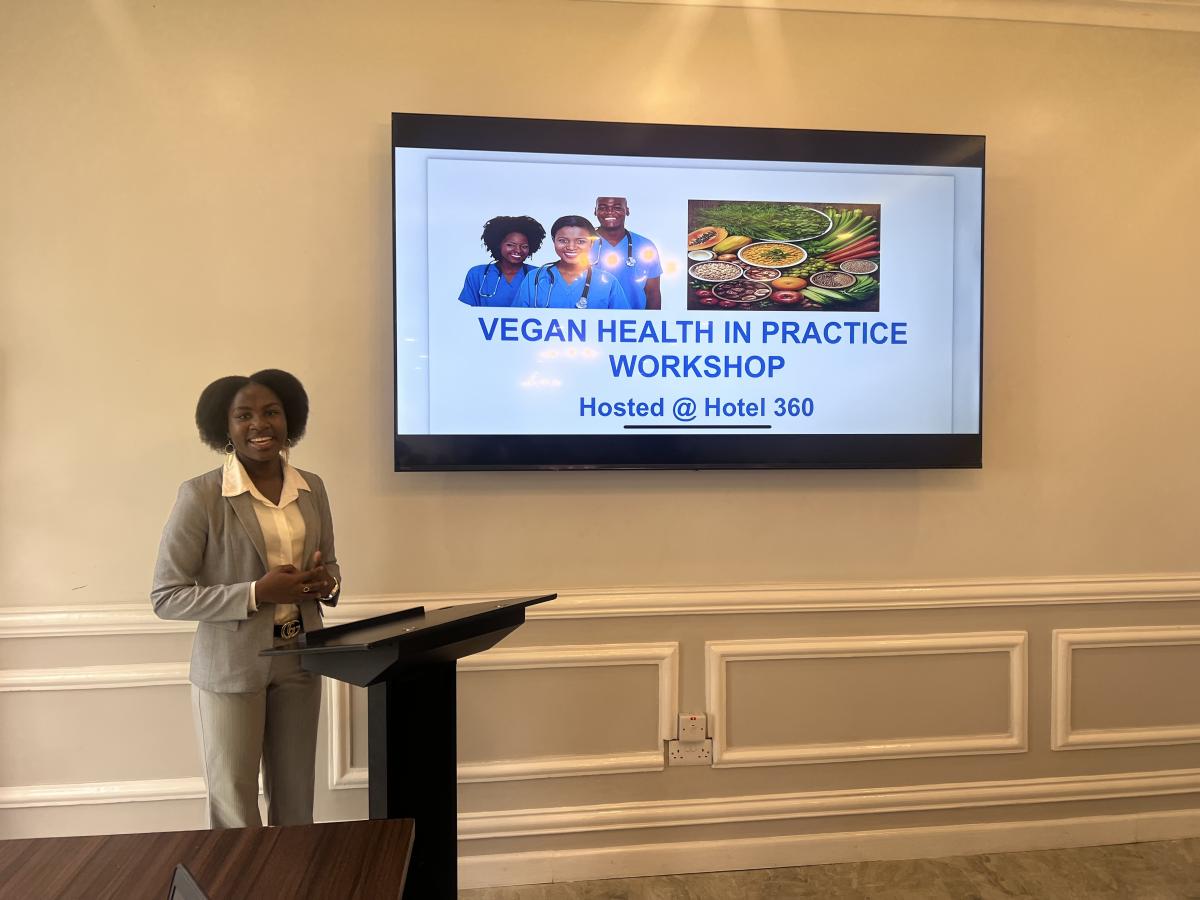
In Uganda, medical professionals ran a one-day workshop for forty doctors, nurses and dieticians to support public health. The aim was to equip professionals from Mulago National Hospital with evidence-based vegan nutrition to equip them with knowledge of a well-planned vegan diet and prevent health problems.
The goal was to integrate this guidance into clinical practice, creating a multiplier effect by influencing patient dietary advice for dietary vegans across Uganda.
The organiser, Joy Sanyu shared that “The project successfully trained healthcare professionals to integrate evidence-based vegan nutrition into patient care, increasing awareness of plant-based diets and diverse vegan cuisine as a practical tool for preventing and managing chronic diseases in Uganda”.
Talking to Muslim faith leaders about veganism in Somalia
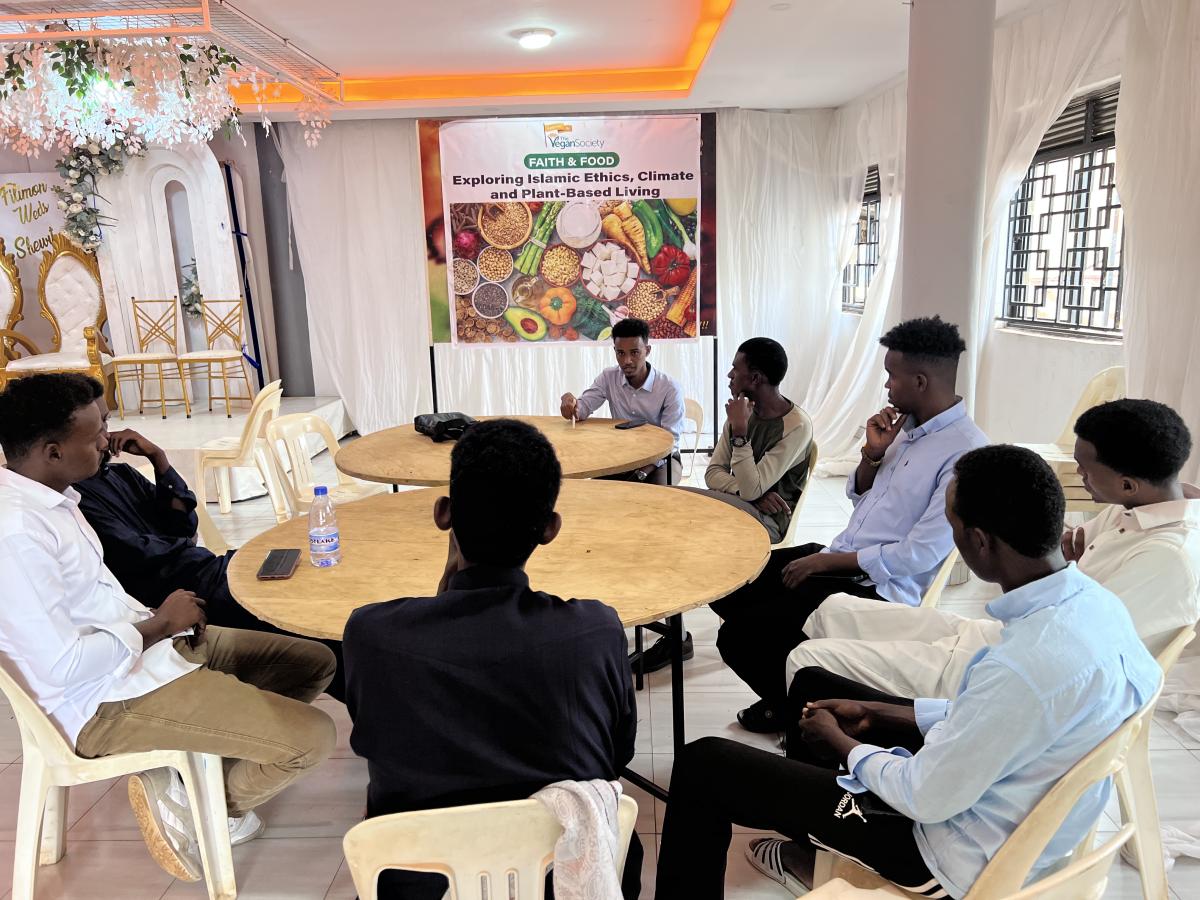
A project titled ‘Faith & Food: Exploring Islamic Ethics, Climate, and Plant-Based Living in Somalia’ engaged Somali Muslim clerics, scholars and youth religious leaders in a one-day event, exploring how Islamic teachings align with the vegan perspective, looking at the environmental, ethical and social benefits of veganism.
Through a closed-door roundtable, a public dialogue, and Sunnah-inspired vegan dishes, the event introduced non-vegan faith leaders and community members to veganism as a compassionate, sustainable lifestyle. Hosted at Mogadishu’s Abu Hureyra Islamic Centre, it aimed to spark faith-based conversations around diet, stewardship and justice in a respectful, community-led setting.
After the event took place the organiser, Muhiadin Jama, shared with us that “the project successfully engaged Somali Muslim clerics, youth leaders, and community members in meaningful discussions on how Islamic values align with the environmental, ethical, and social benefits of veganism, with strong participation and positive feedback from attendees”.
Celebrating a life free from animal products in Greece
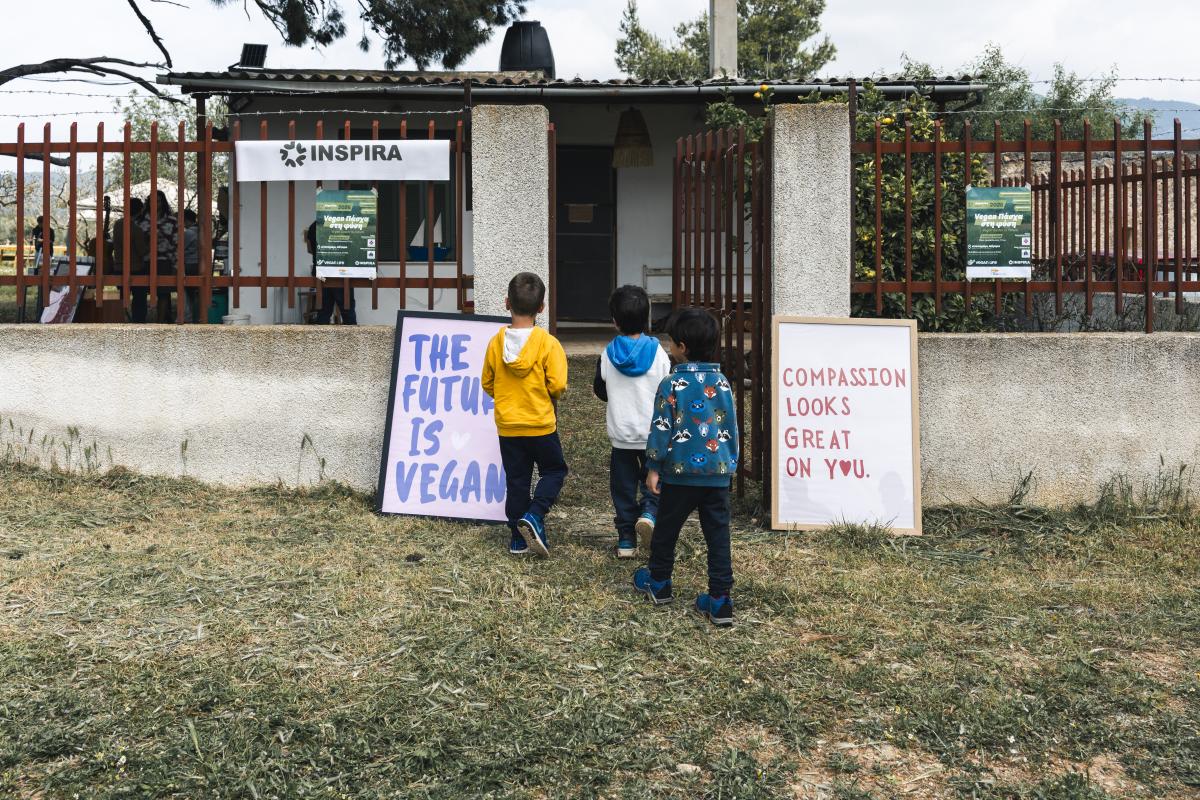
In Greece, project organisers helped with an event called ‘Vegan Easter 2026’. This was a one-day event at a permaculture farm in Alepochori, which shared the benefits of a balanced vegan diet with local people.
The project worked with the Orthodox Christian community while remaining open to the public, showing how veganism fully aligns with their values of compassion and care for all beings.
The event reached over 350 attendees with a full programme of talks, workshops and activities; including an animal adoption day, by ‘Ethical Farm’ sanctuary and a small bazaar supporting animal causes; activities for children, run by Mikro Vouno; and a live exhibition by vegan singer, Elissaveth Katirtzoglou.
Sofia Papadopoulou, an attendee, wrote: "Your overall effort is truly moving and encourages all of us to actively take part; by changing our diet, rethinking how we relate to the environment, and contributing to its protection, both collectively and on an individual level."
 Support The Vegan Society
It was an honour to facilitate the funding of these projects in 2025. Vegan activism continues to grow and thrive across the globe, and we look forward to seeing what the organisers of these projects go on to achieve.
Please consider donating to support The Vegan Society's work and help continue our mission to create a more vegan world.
The views expressed by our bloggers are not necessarily the views of The Vegan Society.