An interview with Suma Wholefoods and @BambuuBrush on collaboration — sharing insights on building ethical partnerships, driving innovation and growing vegan brands
Collaboration can sometimes feel like a buzzword, but when it’s done right, it’s one of the most powerful ways brands can grow. From our perspective at the Vegan Trademark, the most successful partnerships aren’t just about expanding reach, they’re about shared values, consumer trust, and building and growing together. 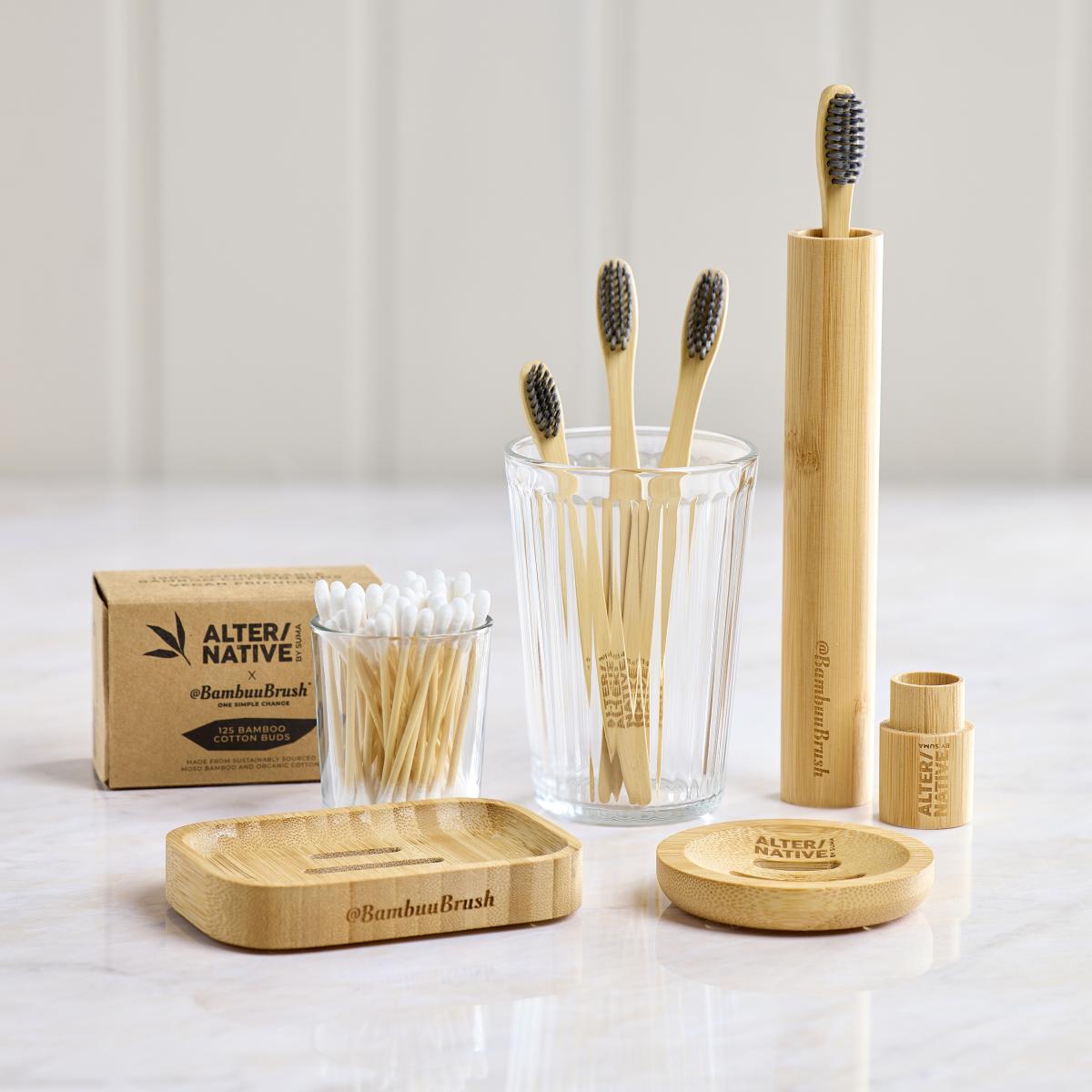
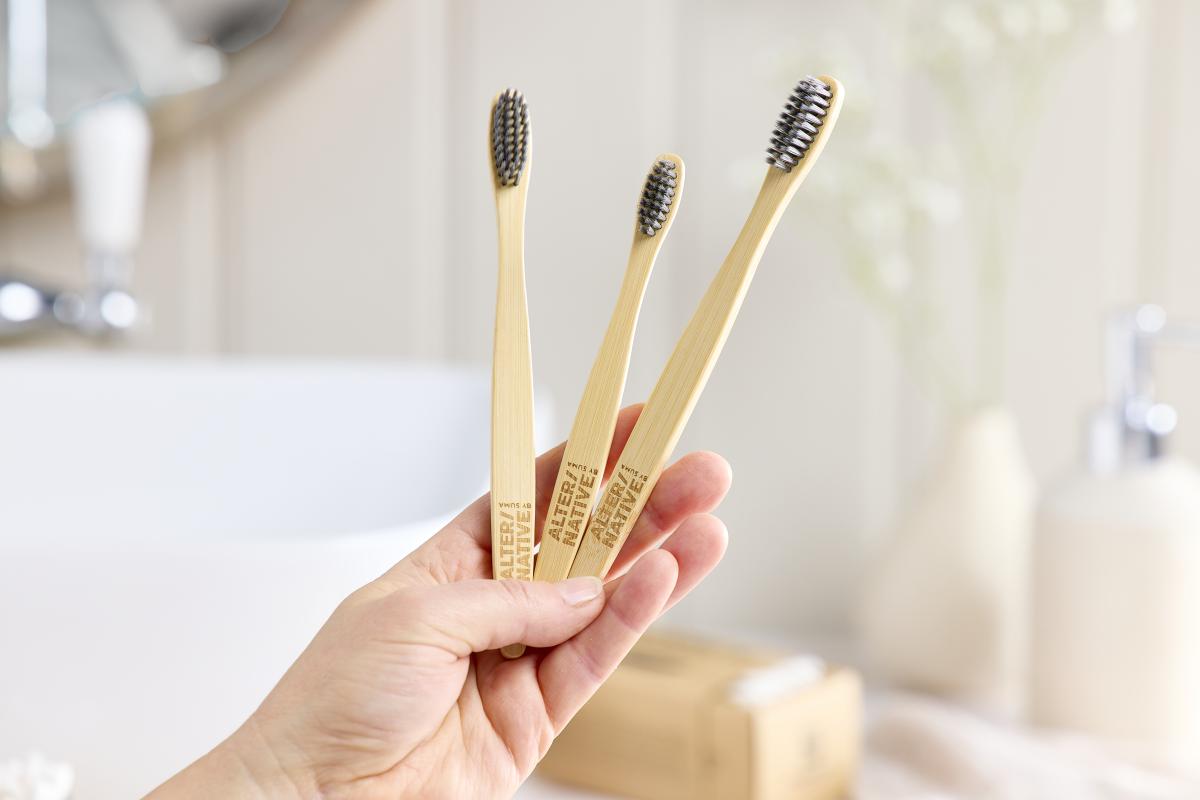
That’s exactly what stands out in the collaboration between Suma Wholefoods and @BambuuBrush. Together, they’ve launched a new range of bamboo essentials within SUMA’s ALTER/NATIVE by Suma collection, including bamboo toothbrushes, a bamboo toothbrush travel case, bamboo cotton buds and bamboo soap dishes.
We sat down to interview both businesses to understand more about the partnership and what advice they have for growing an ethical business and marketing certified vegan products. Their approach offers some genuinely useful insight for other vegan brands looking to grow in a way that feels authentic, not transactional.
“If your values align, you will most likely share similar long-term goals—and that takes the relationship out of the short-term, transactional space into something built on a shared mission.”
— @BambuuBrush
What made your collaboration with Bambuu feel like a natural fit from both a business and values perspective?
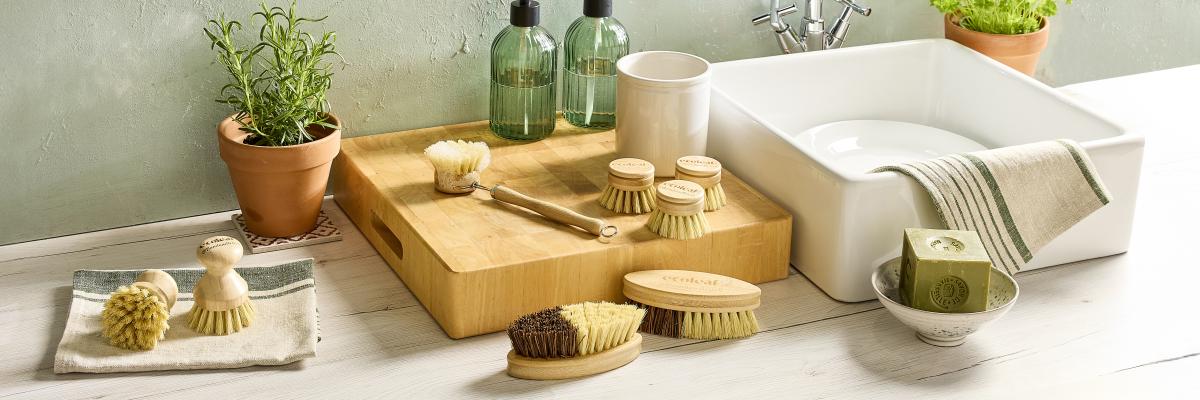
SUMA: Suma and @BambuuBrush both share a commitment to sustainability, so this partnership just felt like a natural alignment from day one. We’re both working hard to reduce plastic waste and inspire meaningful change, so to be able to collaborate means that from a business point of view, we can reach a wider audience and have a bigger impact.
At Suma, we don’t do many collaborations, so when we do, we’re really selective. As a worker’s co-op, we were instantly drawn to the fact that @BambuuBrush is a small, independent business working to make change, not a huge global corporation with unfair working practices. With our own unique backgrounds and experiences, we felt that by collaborating, we could combine forces to bring consumers high-quality, sustainable products that make a tangible difference.
What have you learned about growing alongside other brands?
SUMA: Working in collaboration is truly special, as it feels like a true partnership, rather than the traditional transactional relationship you usually get when buying and selling products in business. We catch up all the time, feedback is free flowing and two way - we’re completely transparent and open with each other. I think as this is a collaboration, we both have the same goals, so all the highs and lows, successes and failures, are shared equally.
@BambuuBrush: Growing alongside other brands, like Suma Wholefoods, allows you to develop the relationship more naturally, which aligns more closely with your shared values. I feel that business today can be very transactional and short-term minded, which doesn't give you the opportunity to create the kind of impact you deserve. Independently, Suma Wholefoods and @BambuuBrush share many values around encouraging people to shop sustainably, more consciously and ethically whilst reducing the amount of waste generated in the world. Coming together with a shared vision creates more impact in what we both believe in.
Relationships like this also help you grow to meet each other's goals. What started as a range of four or five products now has close to 20 products in the making, each one specific to the needs of Suma's customers whilst aligning with @BambuuBrush's mission to reduce plastic and inspire people to embrace the wonders of natural materials like bamboo.
How can collaboration support innovation or product development in ways brands might struggle to achieve alone?
@BambuuBrush: In our view, collaboration is the key to sustainable business. There is more than enough commerce and attention to go around for all businesses to succeed. By creating environments that support this, especially when businesses are aligned on similar values, the ripple effects are felt both internally and externally. Internally, you can lean on each other's expertise to grow. Externally, collaboration allows you to reach new audiences and expand in ways you couldn't alone. A perfect example is this partnership, Suma wanted to create a range of bamboo products to share across their large customer base but didn't have the means to develop them. @BambuuBrush has been working in product development since 2018 but doesn't have Suma's customer base. It was the perfect setup for both of us to achieve our goals together.
What advice would you give to vegan brands looking to grow through collaboration or co-development?
SUMA: I would spend time researching what other businesses are doing to find the ones that most align with your own missions and values. Getting out and about to trade shows and events and keeping your eye on latest news and innovations is also really useful. Think about what you can offer to another brand, what makes you different and what can you share to build something new. Then, reach out, what have you got to lose? Even the busiest of people often love hearing from other brands working hard to make positive change.
@BambuuBrush: Look at values first. If your values align, you will most likely share similar long-term goals, and that automatically takes the relationship out of the short-term, transactional space into something built on a shared mission, allowing the collaboration to develop naturally.
Also, be willing to invest in ideas that might not work. We have close to 20 bamboo-based products in progress, but there have also been many product development ideas that didn't work or didn't meet the criteria, so we didn't pursue them.
Ethical business has always been central to Suma, why do you think this matters more than ever today?
SUMA: Almost every day now we’re hearing of unfair business practices, brands laying off workers in favour of AI, companies going back on their sustainability commitments. It’s a bit of a crazy time at the moment for consumers, trying to navigate which brands they can trust, whilst also dealing with the ongoing cost of living crisis. The more consumers become aware of the reality behind the brands they previously bought from, the more they will be researching what the most ethical alternatives are.
“Trust is huge for consumers, so being able to evidence what you claim to be, with certification and third-party verification, is vital.”
–Suma
How do consumer expectations around ethics and transparency influence business decisions and partnerships?
SUMA: When we’re developing new products at Ecoleaf and ALTER/NATIVE, everything has to be vegan from the start. As we’ve built this brand, our customers now expect this from us, as well as all formulations being approved as cruelty-free under the Leaping Bunny programme. These are the baseline expectations for us and our customers. We’re also super honest and transparent about the practicalities of bringing products to market, for example sometimes what customers might think is the most sustainable option, isn’t.
@BambuuBrush: I think we're fortunate in the shared demographic that Suma and @BambuuBrush have; our customers are loyal and passionate about ethical and sustainable business. We've built that trust through transparency and a clear mission, which has given both brands a strong reputation in this space. So, in terms of business decisions, the alignment is a given, we both have shared values. But the next step that we need to work on as an industry is how do we inspire people who don't ordinarily think about purchasing ethical products to do so? That's where certifications like the Vegan Trademark become powerful.
Do you see ethical alignment becoming a commercial advantage for brands entering retail?
SUMA: 100%, it has to be. Being aligned ethically is what builds long term loyalty. If a customer is behind what the brand stands for ethically, they’re probably going to talk about that brand to their friends, share the products, and they’ll be up for trying anything new you launch, as they already trust you.
@BambuuBrush: Yes, definitely. As I've mentioned, I believe collaboration is key to building a society that can live sustainably for generations into the future. We need to come together and utilise each other's expertise in areas we don’t individually have. On the commercial side specifically, ethical, sustainable and vegan demographics used to be considered very niche, which naturally put a cap on commercial value. But that's changing, as people become more aware of the concerns around mass production across all areas of commerce, more consumers are seeking higher quality products with specific certifications they can trust. I also believe younger generations carry certain baseline values around sustainability that older generations simply didn't grow up with, largely because there is so much more information available today. That demographic is expanding, and in turn so is the commercial opportunity.
 What do you think differentiates vegan brands that successfully grow from those that struggle to scale?
SUMA: At Suma, we were founded on strong ethics and a co-operative business model from day one, way back in the 70’s. Being a co-operative of ordinary people, all working to the same goal and getting paid equally, allowed us to adapt and change naturally, as the markets did.
Ultimately, a lot of success comes down to brand awareness and brand availability. You need to be seen and be available in the places your customers shop. Think about who your target customer is, and where they spend their money. What are they reading, which websites do they look to for advice? Successful brands are those that listen to feedback too, and take it on board. So, whilst having a strong and clear mission statement is the foundation, be open to speaking directly to your customers and make them feel heard, like they are part of something.
“Vegan brands who can show the Vegan Trademark on their products will stand out from those who don’t. The trademark is such a well-recognised and trusted symbol for vegan shoppers, as soon as you see it you know you don’t have to spend ages checking ingredients…the homework has been done for you. Make it as easy as possible for customers to look at your product and think: great a vegan product, I’ll get it!”
–Suma
@BambuuBrush: I can only speak from the @BambuuBrush experience. Firstly, having a clear bigger mission, your North Star, something that goes beyond the product itself and gives your business a reason to exist that people can genuinely connect with. Ours has always been to stop 1,000,000 Kg of plastic entering commercial circulation, whilst inspiring people that we all hold the power to change the world starting with one simple change. That mission allows us to evolve and adapt to an ever-changing and volatile world whilst always moving in the same direction.
Secondly, and this isn't the textbook startup story, we didn't have a business plan when we launched, we didn't do a market analysis. When we launched @BambuuBrush in 2019 we were 2 wide-eyed, passionate individuals on a mission to change the world one plastic toothbrush at a time. One product, a passion, and a genuine belief that it could inspire people. As we grew and started working with incredible brands and businesses, so did the opportunities to expand and utilise the experiences we had gained. So just start, don’t over complicate things and learn quickly!
Interview blog with the team from Suma and Tommie Eaton, founder of @BambuuBrush
The views expressed by our bloggers are not necessarily the views of The Vegan Society.