Lessons from brands with vegan-certified products winning in retail
 As vegan products continue to secure shelf space in mainstream retail stores, one thing is becoming increasingly clear: this is no longer a niche category. It’s a competitive, commercially driven market and consumers are looking for vegan products in every category.
Recent data* shows that UK chilled plant-based food sales have returned to growth, with steady increases across the category and particularly strong performance in areas such as plant-based proteins. At the same time, over 72,000 products are now certified with the Vegan Trademark, reflecting both growing consumer demand and increasing brand participation.
Consumer appetite for vegan products is not slowing, it’s expanding across categories; importantly for vegan businesses looking to scale, consumers still want more choice. In a recent survey conducted by The Vegan Society with Vypr**, 83% of shoppers said they want to see more vegan-certified products on shelves, with strong demand across food, cosmetics, toiletries, drinks and even cleaning products. Despite some negative media narratives, the reality is more nuanced. The vegan sector is evolving post a huge growth period and the brands succeeding today are those combining strong values with clear commercial execution.
As part of our Vegan Growth Guide campaign, we’re talking to those who know best. Brands with certified vegan products that have successfully entered and grown within retail, that started as challenger businesses and have since scaled into established players, have valuable insights to share. We’ve spoken extensively to Little Soap Company to glean insights from a vegan brand who grew from a small hobby business to being stocked in all the major grocery stores across the UK, as well as Boots and Superdrug.
We also have contributions from 8 other brands, who have products available across the Food and Cosmetics sectors, who are helping define what growth looks like in today’s vegan market.
“Persistence, strong consumer demand and a clear purpose helped move us from challenger brand to retail shelves.”
From challenger brand to retail shelves
For many brands, the journey into retail begins with identifying a gap and a passion to create something valuable but scaling requires far more than a good idea. The brands that succeed are those that quickly move beyond product alone and build the commercial foundations needed to grow, which includes understanding their consumer base intimately and their place in the market, getting the manufacturing and logistics right, pricing correctly, and a keen eye on margins and retailer readiness and enthusiasm.
The Little Soap Company’s journey reflects this shift from a purpose and values-led startup to a commercially viable retail brand:
“The Little Soap Company started from a simple realisation. Growing up, my gran always used traditional bar soap. When her bars ran out, I discovered that supermarkets stocked very few natural or vegan soap options, especially in the UK. That gap inspired me to start experimenting at my kitchen table to create pure, synthetic-free alternatives.
From the beginning, the ambition was to make natural, vegan soap accessible as part of the weekly supermarket shop. That meant not just developing the product, but educating both retailers and consumers. Once people understood the difference between traditional soap and many modern synthetic alternatives, there was often a real ‘lightbulb moment’.
Our early years selling through farmers’ markets and independent retailers were invaluable. They allowed us to test products, understand customer demand, and learn the fundamentals of retail. In 2009 we secured our first major listing with Waitrose. A few years later, a Tesco buyer heard me speaking about scaling artisan products and offered a regional order of 40,000 bars. That moment forced us to secure manufacturing capacity and truly transition from artisan brand to scalable business.
Ultimately, persistence, strong consumer demand and a clear purpose helped move us from challenger brand to retail shelves.”
This balance between purpose and commercial readiness is a recurring theme across the sector.
As snack brand Snackd highlights:
“Make the buyer’s decision easy. A clear rate of sale, strong margins, and operational simplicity (shelf life, packaging, logistics) are just as important as the product itself. Buyers back products that reduce risk.”
Similarly, Anara Skincare emphasises the importance of quality over quantity in retail partnerships:
“Focus on the right partners, not the number of doors. Aligned retailers who understand and value your brand deliver stronger long-term performance.
What retailers really look for
Breaking into retail is one milestone, but as anyone who has lamented their favourite vegan product being discontinued knows, staying there is another.
Retailers are not just assessing whether a product will sell once, but whether it will continue to perform over time. Repeat purchases and customer loyalty, supported by a strong brand identity, are critical.
The Little Soap Company explains:
“Retailers are looking for brands that combine strong values with commercial credibility. Ethical positioning alone isn’t enough – the product still has to earn its place on shelf by standing out in a crowded category and demonstrating real consumer demand.
Clarity is critical. We at LSC are truly ethical but need to show the consumers and retailers we are! Shoppers often make decisions in seconds, so products need to communicate their purpose and benefits quickly.
Certifications such as the Vegan Trademark, cruelty-free status and B Corp help reinforce trust, but they work best when combined with simple messaging and a compelling proposition. Retailers tend to back brands where ethics, product quality and commercial performance align.”
Across categories, this idea of reducing friction for both buyer and consumer continues to come through.
Fortae Skin puts it simply:
“Keep messaging simple and consistent. Being clear about what the product is, how to use it, and the experience it offers has helped build trust and repeat customers.”
And from a commercial perspective, brands must go further than surface-level differentiation. Buyers are increasingly looking for evidence of demand, whether that’s sales data, customer engagement or proof of repeat purchase.
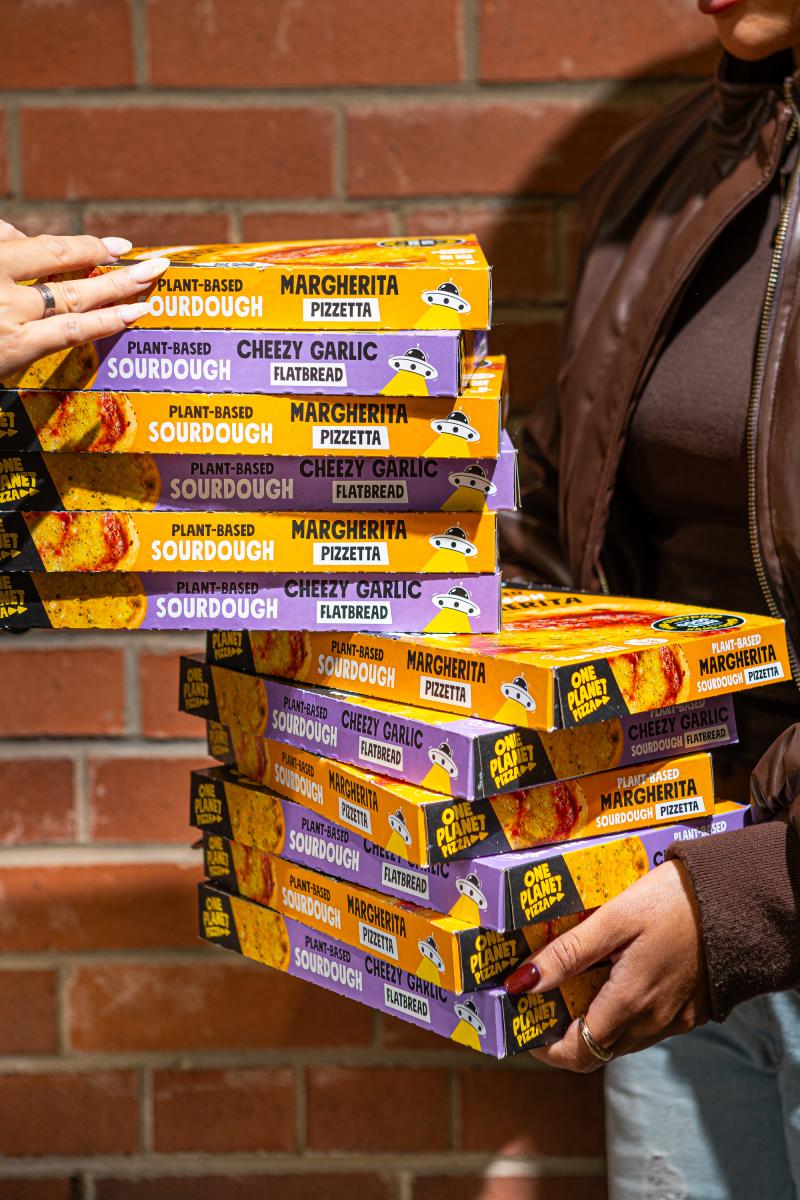
One Planet Pizza describes:
“We worked hard for years to build a case study impossible to ignore, by creating demand and growing our brand through independents and wholesalers, and then taking this to the retailers so you’ve got a compelling story backed by actual sales and data.
A great tip is to speak in the buyers’ language: nail the fundamentals before your first conversation. Clearly show them how you will add incremental sales that will add more value to that space on the shelf than competitors. Repeat purchase rates are also really valuable – showing your customers will keep coming back to buy your products.”
It’s not enough to be new and exciting, brands need to show they will last.
Building trust through ethics and transparency
As the vegan category matures, ethical positioning is no longer a differentiator on its own unfortunately, it has become an expectation from consumers. The brands who are standing out in this space aren’t just relying on one aspect of their brand story, they’re valuing clarity and consistency and building credibility through transparency, making it easy for both consumers and retailers to trust their claims.
The Little Soap Company reflects on how this has shaped their growth:
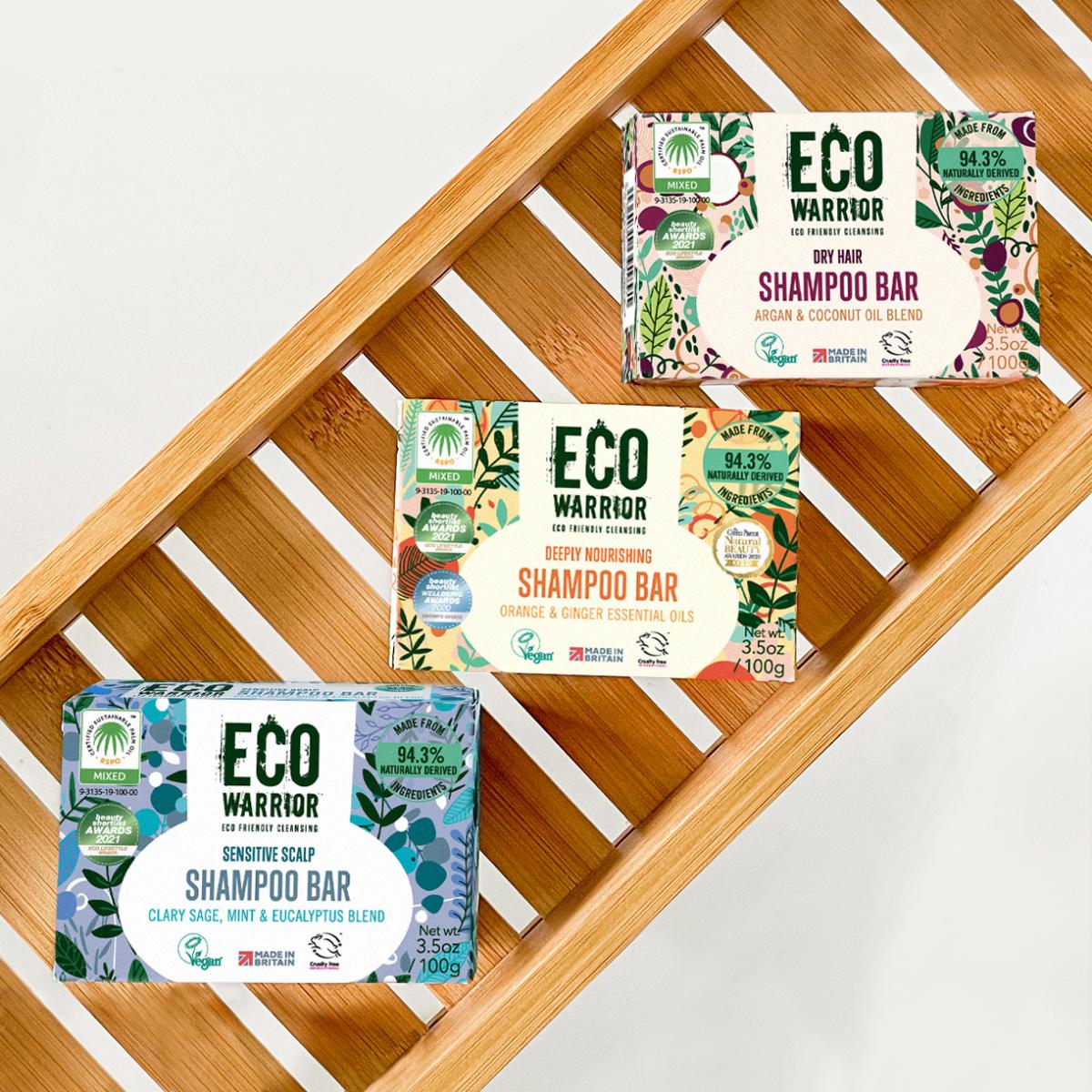
“Ethical values have always been central to our brand. Every product we make is vegan and cruelty-free, produced in the UK, and made with responsibly sourced ingredients such as RSPO-certified sustainable palm oil and essential oils.
As the business has grown, maintaining that transparency has been critical to building trust. Consumers want to know what they’re buying and why it’s better. We even sign our name on the packaging as a reflection of that accountability.
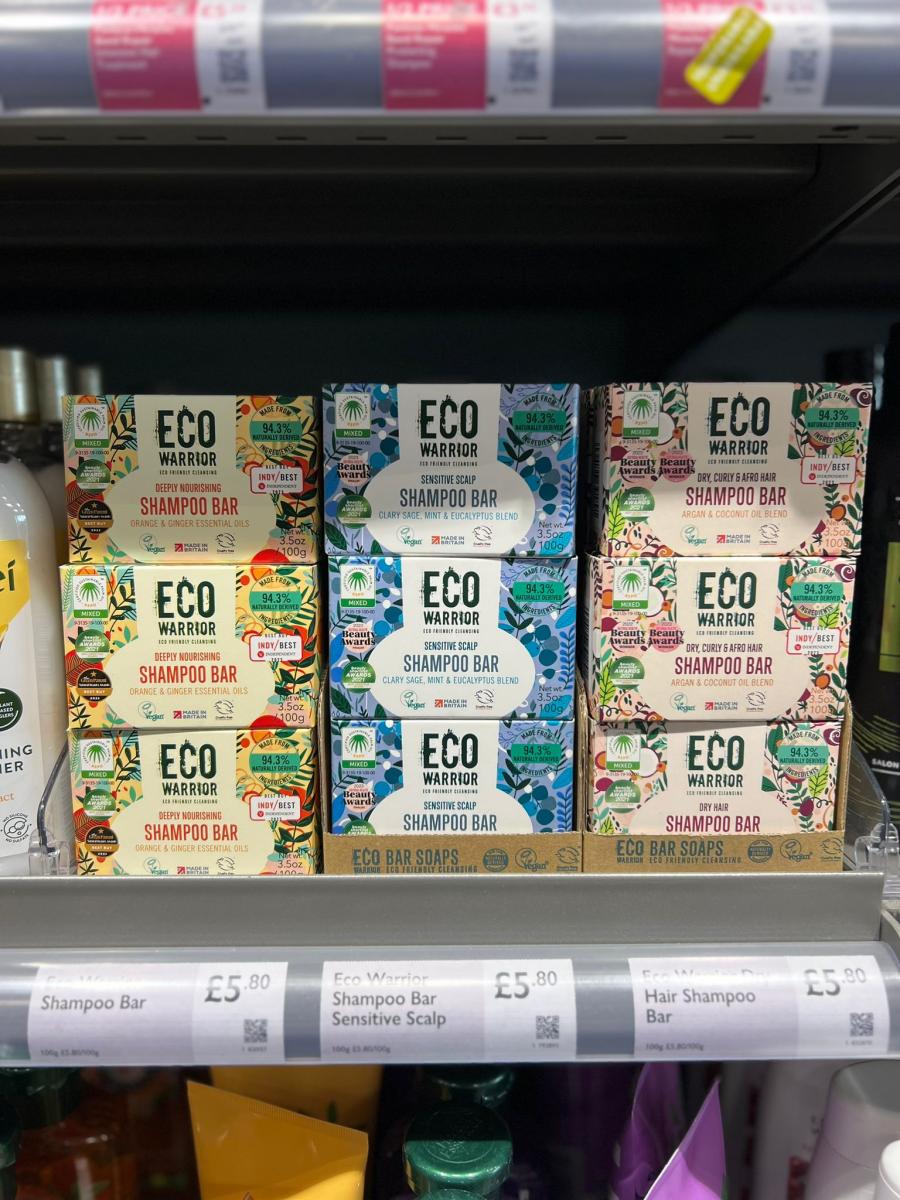
Our Eco Warrior range is a good example of how those values translate into practical solutions for consumers. By replacing liquid products with concentrated bars, we help reduce plastic waste while delivering effective, affordable products. Consistency between values, product performance and price is what builds lasting trust.”
We see this alignment between ethics, transparency and commercial success is echoed across the sector, particularly in categories like beauty and personal care.
Haircare brand Noughty has built its growth strategy around this principle:
“Being Vegan Trademark certified has been foundational to Noughty’s journey. For us, vegan formulation isn’t a trend or a marketing angle; it’s a core principle that shapes every product we develop. By committing to plant-based ingredients and avoiding animal-derived inputs entirely, we’ve been able to build transparency, trust, and long-term loyalty with conscious consumers – a key driver of our continued commercial success in a crowded beauty marketplace.”
A key milestone in Noughty’s growth was its launch with Holland & Barrett, a partnership built on shared values:
“Holland & Barrett are a retailer whose values closely align with our own and as such have been on our wish-list for a long time. Their own commitment to sustainability – aiming to give back more to the planet than they take – reflects a shared belief that businesses can be both purpose-driven and commercially successful. The partnership has allowed us to reach new audiences while staying true to our ethical foundations, proving that strong value alignment can unlock powerful retail opportunities.”
A shift can be perceived: ethical alignment is now more than just a ‘nice-to-have’ for brands. It is a commercial advantage, and as more consumers base decisions on ethics, ‘greenwashing’ and empty claims from brands can significantly damage consumer trust. This is where certifications like the Vegan Trademark are hugely important for brands to back up their claims with third-party verification.
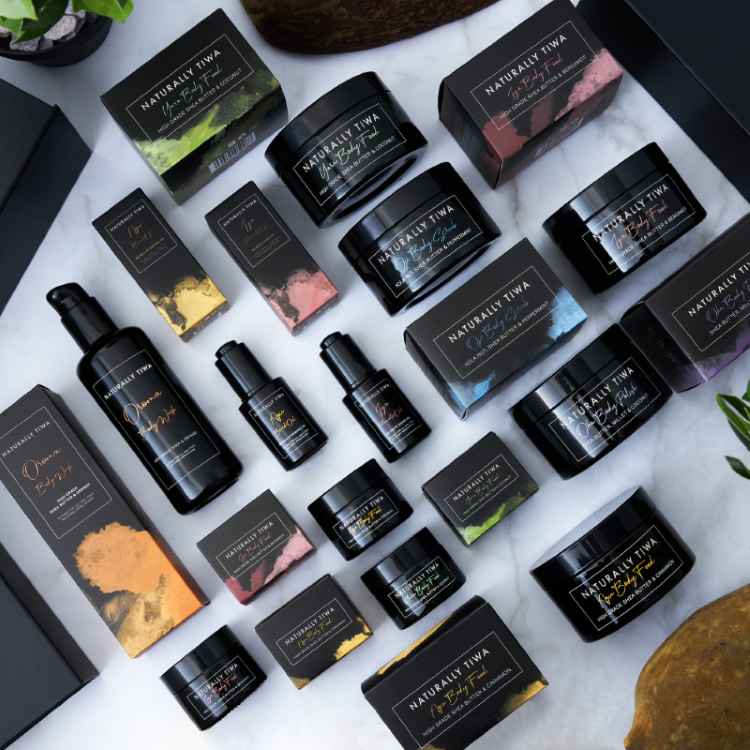
As Naturally Tribal Skincare explains:
“The Vegan Trademark gives customers confidence straight away. It shows that your claims have been independently verified, which matters more than ever as shoppers become more ingredient-conscious and regulations get tighter.”
Driving demand beyond the vegan label
One of the clearest shifts across the sector is how brands position vegan products to mainstream consumers. A few years ago, vegan products may have been seen as a fringe offerings, aimed at a very small group of people, but this is very far from the case today.
We know vegan credentials are critical for trust, but they are not always the primary purchase driver particularly among the growing flexitarian audience who make up a considerable audience driving demand for vegan products.
Snack’d captures this well:
“We chose to lead with taste, not “vegan”. The majority of consumers aren’t strictly vegan, so positioning around enjoyment, texture and flavour drives far stronger appeal.”
The Heart Company echoes this approach:
“Vegan is essential, but it builds trust rather than being the main hook. The emotional benefit comes first.”
And Kalentin highlights the importance of communicating real product value:
“It’s not enough to simply communicate that a product is vegan – it’s important to convey its real value. In cosmetics, aspects such as quality, effectiveness, ingredients, and environmental care truly make a difference.”
Scaling with clarity and focus
As brands grow, maintaining clarity becomes just as important as innovation. Whatever category their products are sitting in, brands that have seen success with their vegan products have a very clear vision of where they sit in relation to their competitors, what their mission is and what their audience wants from them.
The Little Soap Company explains how it approaches this balance:
“We focus on natural formulations, traceable ingredients, and traditional soap-making methods. Products are kind to skin and planet. At the same time, we keep ranges simple and accessible. We ensure our products that launch are genuinely meeting customer demand. With greenwashing still prevalent, part of our role is educating consumers and retailers on the difference between “natural” claims and truly sustainable, credible products.”
This focus on simplicity and alignment is echoed across brands.
Fortae Skin notes the importance of aligned partnerships, while Friendly Soap highlights the role of clear values from the outset:
“The mission was to be ethical, eco-friendly, and affordable – proving that good ethics don’t require a premium price.”
Top tips for brands looking to grow
While every brand’s journey is different, a clear set of shared insights from our Trademark Holders is clear:
- Focus on repeat purchase, not just trial
- Make it easy for retailers to say yes
- Choose partners that align with your brand
- Keep messaging simple and clear
- Use certification to build trust
Keep focus on what consumers want
With 83% of shoppers still wanting more vegan-certified options, there remains a strong opportunity for small brands to enter the market with innovative products that fill meaningful gaps and add value where the consumer needs it.
The Little Soap Company summarises this well:
“Stay authentic to your values, but build the commercial foundations needed to scale. Retail requires strong operations, clear messaging, and the ability to deliver consistently at volume.
It’s also important not to try to do everything alone. Surrounding yourself with the right team and partners makes a huge difference when navigating growth.
Finally, focus on solving real consumer problems. Vegan and ethical credentials are increasingly important, but long-term success comes when those values are combined with great products that people genuinely want to buy again and again.”
These valuable insights shared from our Trademark Holders show that vegan brands are not just entering retail, they are succeeding in this space. There is strong consumer demand for vegan products, and retail buyers are aware of this, making them keen to stock products that resonate with shoppers.
At the Vegan Trademark, we’re proud to support a global community of brands that are driving innovation and shaping the commercial future of the vegan category, and as these stories show, the next phase of the vegan movement is already here, defined by brands that combine their purpose with commercial performance and successful scaling.
By Vegan Society Marketing Officer, Charis Collier
* Finder, UK consumer dietary trends (2026)
** The Vegan Society x Vypr survey (consumer demand for vegan-certified products)
The Vegan Trademark confirms that a product meets our vegan standards and is not representative of any environmental or sustainability claim.
The views expressed by our bloggers are not necessarily the views of The Vegan Society.