


Why are omega-3 fats important?
Omega-3 fatty acids are an essential as part of a balanced diet. They have an important role in maintaining the health of our eyes, skin and immune system. They are also involved in brain and nerve development, particularly during pregnancy and childhood.
ALA (alpha-linolenic acid) is a plant-based omega-3 that our bodies can convert into longer-chain omega-3 fatty acids EPA and DHA.
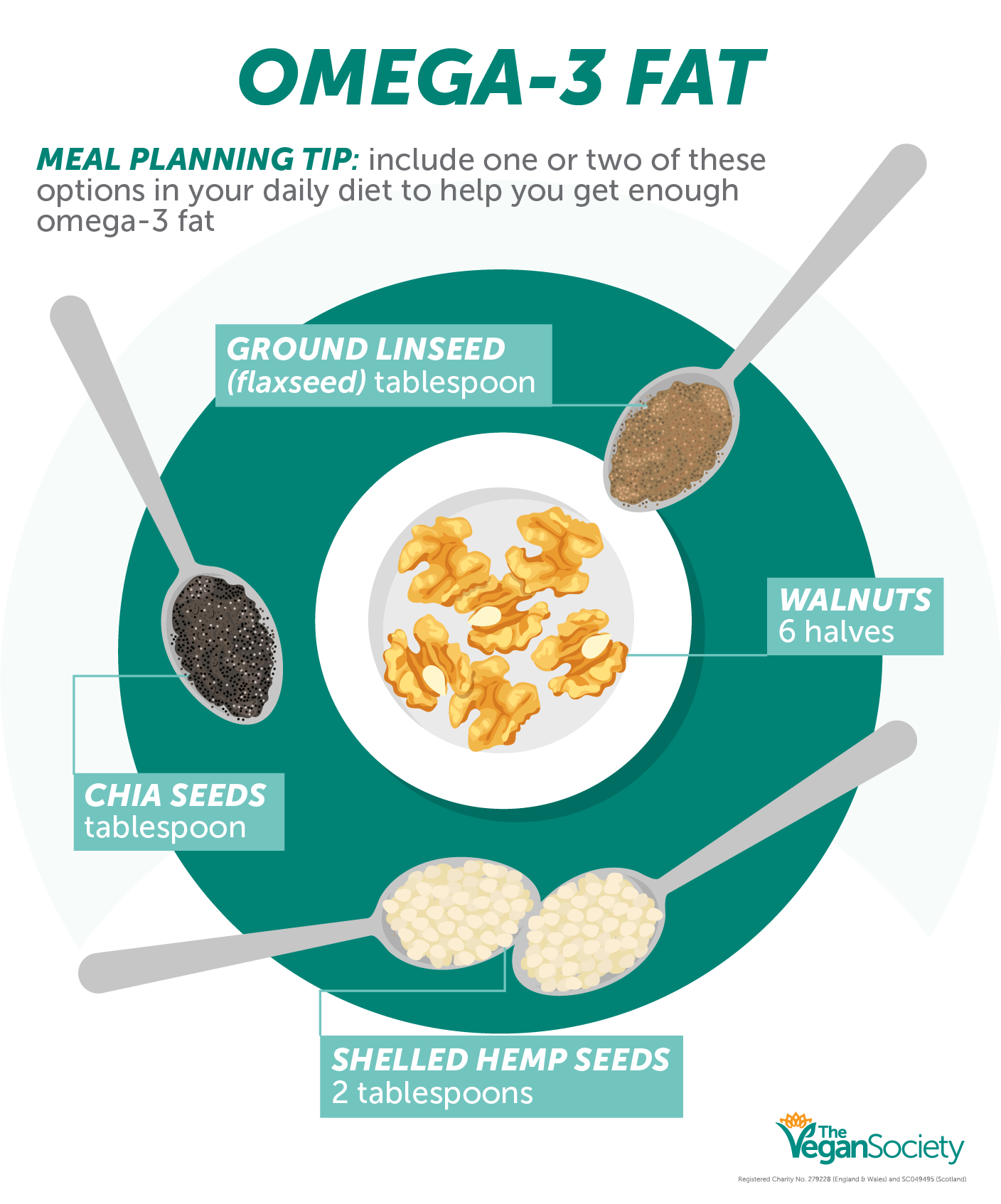
Click to view full infographic

How can you get enough omega-3 fats?
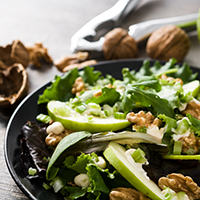
Make sure that your daily diet includes 1-2 rich sources of ALA such as walnuts, chia seeds, ground flaxseeds (also known as linseeds) and shelled hemp seeds.
Whilst it is not considered essential, vegans may also choose to take a vegan-friendly omega-3 supplement containing pre-formed EPA and DHA from microalgae. These supplements may help to optimise omega-3 status.
Microalgae supplementation may be especially beneficial during pregnancy, childhood, and for individuals with a history of cardiovascular disease.
Simple Food Ideas
Now that you have an idea of good sources of vegan omega-3 fatty acids, here are some tasty and practical ways to enjoy them:
- Sprinkle ground linseed (flaxseed) or shelled hemp seeds on overnight oats, porridge or breakfast cereal.
- Blend linseeds, hemp seeds, or chia seeds into smoothies for an easy, nutrient-rich addition.
- Stir chia seeds into fortified yogurt alternatives.
- Use walnuts to add flavour and texture to salads, sprinkle them on top of cereal, or add to peanut butter on toast for a delicious snack.
- Incorporate walnut, linseed (flaxseed), or hemp oils into dips or salad dressings.
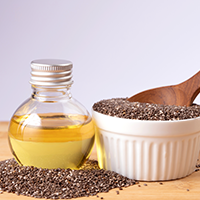
Despite recent claims that omega-6 fats (found in seed oils) are ‘pro-inflammatory’ and potentially detrimental to our health, the science tells us that this is untrue.
Omega-6 fatty acids are also essential fatty acids. Research shows us that they have an anti-inflammatory effect in the body, albeit a weaker one than omega-3 fatty acids. Eating a moderate amount of omega-6 fatty acids can support heart health.
Omega-3 and omega-6 fatty acids compete with each other to bind to our cells, so if your diet is very high in omega-6s your body may struggle to effectively use the omega-3 you consume.
If your intake of omega-6 fatty acids is particularly high, you may benefit from:
- Limiting your intake of high-fat processed foods such as vegan biscuits, cakes, and chocolate, which often contain omega-6 fatty acids.
- Limiting servings of pumpkin seeds or sunflower seeds to around 30 g (¼ cup) per day.
- Using vegetable (rapeseed) oil as your main cooking oil instead of sunflower, corn or sesame oil.
Omega-3 fat tips to take away
-
Make sure that your daily diet includes a rich source of vegan omega-3 fats, such as chia seeds, ground linseed, shelled hemp seeds or walnuts.
-
Use vegetable (rapeseed) oil as your main cooking oil.
-
Consider whether microalgae supplementation is right for you.
-
Maintain a balanced dietary intake of omega-3 and omega-6 fatty acids for optimal health benefits.
Further information
For a more detailed overview of the science behind omega-3 fatty acids, download our ‘omega-3 fats’ PDF resource.
You might also be interested to check out the following webpages:
Nutrition overview – comprehensive guidance to help you maintain a balanced and varied healthy diet.
Life stages – detailed information on nutritional needs during pregnancy, breastfeeding, childhood, and other age groups.
The Vegan Society 2026. Review date: June 2029.
References
- British Dietetic Association (2021) Omega-3, https://www.bda.uk.com/resource/omega-3.html (accessed 19 May 2026)
- European Food Safety Authority. Scientific Opinion on Dietary Reference Values for Fats, Including Saturated Fatty Acids, Polyunsaturated Fatty Acids, Monounsaturated Fatty Acids Trans Fatty Acids, and Cholesterol www.efsa.europa.eu/sites/default/files/scientific_output/files/main_documents/1461.pdf (accessed 19 May 2026)
- Food and Agriculture Organization (2010) Fats and Fatty Acids in Human Nutrition: Report of an Expert Consultation . FAO Food and Nutrition Paper 91.
- Innes JK and Calder PC (2018) Omega-6 fatty acids and inflammation. Prostaglandins, Leukotrienes and Essential Fatty Acids 132: 41–48, https://doi.org/10.1016/j.plefa.2018.03.004 (Accessed 19 May 2026)
- Sadeghi R, Norouzzadeh M et al., (2025) Dietary and circulating omega-6 fatty acids and their impact on cardiovascular disease, cancer risk, and mortality: a global meta-analysis of 150 cohorts and meta-regression. Journal of Translational Medicine 23(314), https://doi.org/10.1186/s12967-025-06336-2 (accessed 19 May 2026)
- United States Department of Agriculture. FoodData Central https://fdc.nal.usda.gov/ (accessed 19 May 2026)
- Vegan Health. Daily Needs https://veganhealth.org/daily-needs/#Omega-3-Fats (accessed 19 May 2026)
- Vegan Health. Omega-3s: Research https://veganhealth.org/omega-3s-part-2/ (accessed 19 May 2026)
- Visioli F, Poli A (2025) Omega 6 fatty acids: helpful, harmless or harmful? Current Opinion in Clinical Nutrition and Metabolic Care 28(2), https://doi.org/10.1097/MCO.0000000000001096 (accessed 19 May 2026)