From mushroom protein and precision fermentation, to taste and texture breakthroughs, here’s what’s shaping the year ahead, what brands should be focusing on and what shoppers can expect and look forward to

The trends set to shape 2026
There’s no denying the market has changed dramatically over the past five years, but momentum across vegan food and drink is building again. Product innovation is maturing, consumer interest in nutrition is driving change and regulators are defining the landscape of food labelling.
But what impact will this have on the market? What flavours, textures and ingredients will be taking the spotlight? Read on to find out.
Here are our predictions for the food and drink industry in 2026:
-
Protein: Protein has been a growing trend in the food and beverage industry for the past few years, driving innovation both in vegan and non-vegan markets. In 2026 it will remain a leading focus in formulations and launches
-
Beyond protein: Fibre, wholefoods and gut health. Fibre is emerging as “the new protein”, with consumers shifting interest towards gut health and complete nutrition.
-
Fermentation and precision fermentation: Consumer interest in tangy fermented flavours continues to grow, as does the number of brands investing in new technologies and advanced processes like precision fermentation.
-
Fungi/Mushrooms: Hand-in-hand with precision fermentation developments, are fungi (and yeasts), which can produce a wide range of high-value products – from lipids to proteins.
-
Vegan alternatives to traditional ingredients due to price and production volatility: Seen in the past years and gaining momentum is the growing need to source vegan alternatives to traditional ingredients, including dairy, coffee, cocoa and eggs. Not only popular among vegans, but also increasingly adopted by the general public.
Learn more about vegan certification - ensure your products carry a trusted mark consumers recognise around the globe.
Health and nutrition at the centre: Fibre, protein, wholefoods and the GLP-1 effect
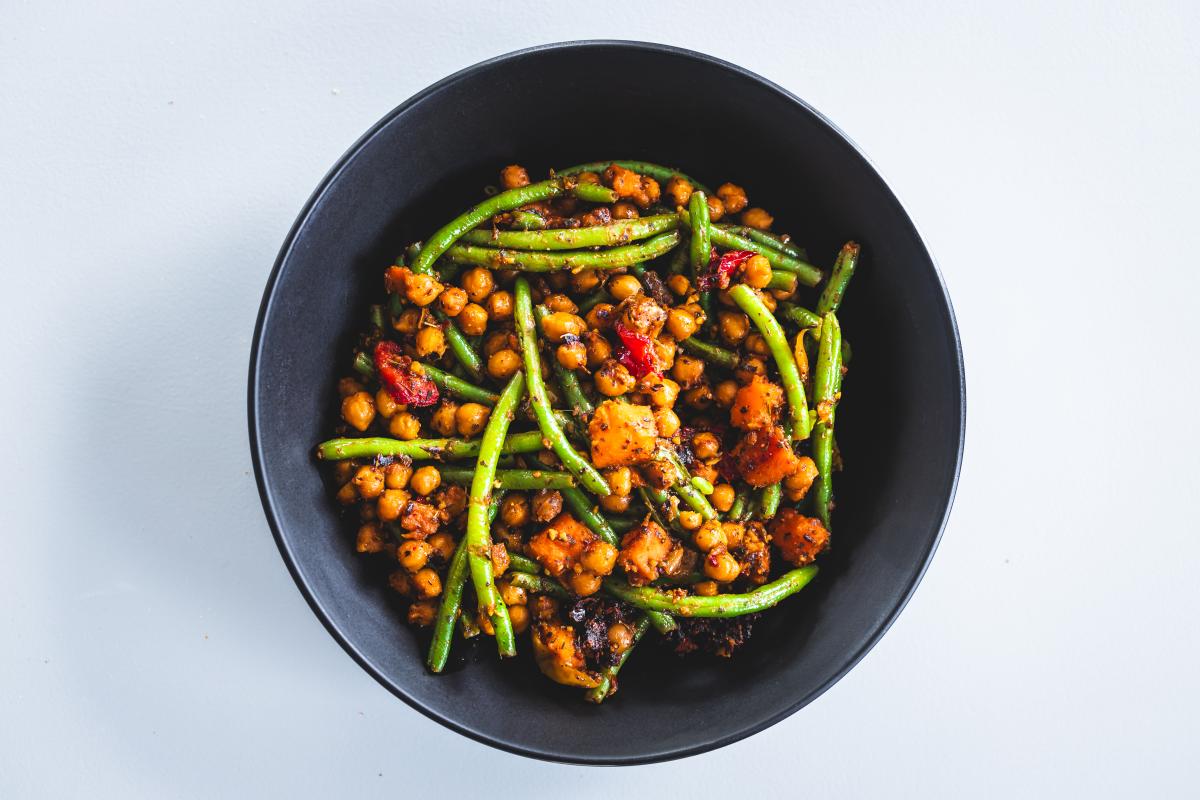
Although protein remains a leading trend, consumers are looking beyond it and the industry is seeing a growing interest in fibre, which is set to become “the new protein”. The global food fibre market is expected to grow from $8.8 billion in 2025 to $19.4 billion in 2034 *.
This is due to several fibre-forward trends gaining traction as we enter the new year - from the GLP-1 users supporting satiety with fibre, to the growing focus on gut health.
The latter is paving the way for vegan wholefood products - rich in legumes, root fibres and grains - making a comeback, together with prebiotics and fermented products.
Brands leading the way on health wholefood innovation:
-
Wagamama: Known for its innovative vegan menu, this UK restaurant kicks off 2026 with a varied range of wholefood options, with mushrooms, tempeh and tofu being the stars of the show.
-
Huel: The brand revolutionising nutrition with complete food made with vegan wholefood ingredients. They’re on a mission to “make nutritionally complete, convenient, affordable food, with minimal impact on animals and the environment”.
-
The Vegan Patty Lady: A UK brand powered by the personal journey of its founder, Natasha Orumbie and her mission to make authentic, healthier vegan options more accessible across the UK. Natasha’s goal is to satisfy the cravings for authentic vegan patties without compromising on taste, texture, ethical, health or faith-based choices. The patties are Caribbean-inspired and made with vegetables, legumes and wholefood ingredients. Innovative beyond products, the brand has just launched The Patty Postcode Race campaign, a first-of-its-kind, data-driven, community-powered movement designed to prove national demand for culturally rooted vegan food.
-
Natural World: A London-based multi-award-winning artisan producer of high-quality nut butters and spreads with no added sugars, oil or artificial flavours. They take pride in creating products with three or less ingredients, using only wholefoods rich in proteins, minerals and vitamins.
-
United Beverages: A producer of alcohol-free spirit alternatives, revolutionising the industry with their gin-like Alconot. Created to meet the growing demand for alcohol-free alternatives that taste like the real thing, the brand is leading the way in creating an alternative that uses recognisable ingredients and botanical extracts.
Precision fermentation becoming a commercial reality

Valued at $4.94 billion in 2025, the global precision fermentation market is projected grow to $267.64 billion by 2035 **, as more brands develop and launch products using this process.
What is precision fermentation?
Fermentation is a process known and used for years, resulting in products like wine and beer, kimchi, kombucha and sauerkraut.
Precision fermentation is a branch of engineering biology that uses the natural abilities of certain microorganisms (like yeast) to produce high-quality, low-cost ingredients.
Used for decades to produce ingredients like rennet, citric acid and insulin, precision fermentation is now increasingly being used to make next-generation alternative vegan protein ingredients.
Regulatory outlook:
-
EU Biotech Act: The EU Biotech Act includes, among other things, measures that could help commercialise the findings of European researchers working on techniques such as precision fermentation. It has expanded European Food Standard Agency pre-submission guidance for precision fermentation but excluded novel foods from the regulatory sandbox scheme. – Source.
-
The UK Food Standards Agency has launched a dedicated Innovation Research Programme to generate new knowledge about the risks and potential of innovative technologies. – Source.
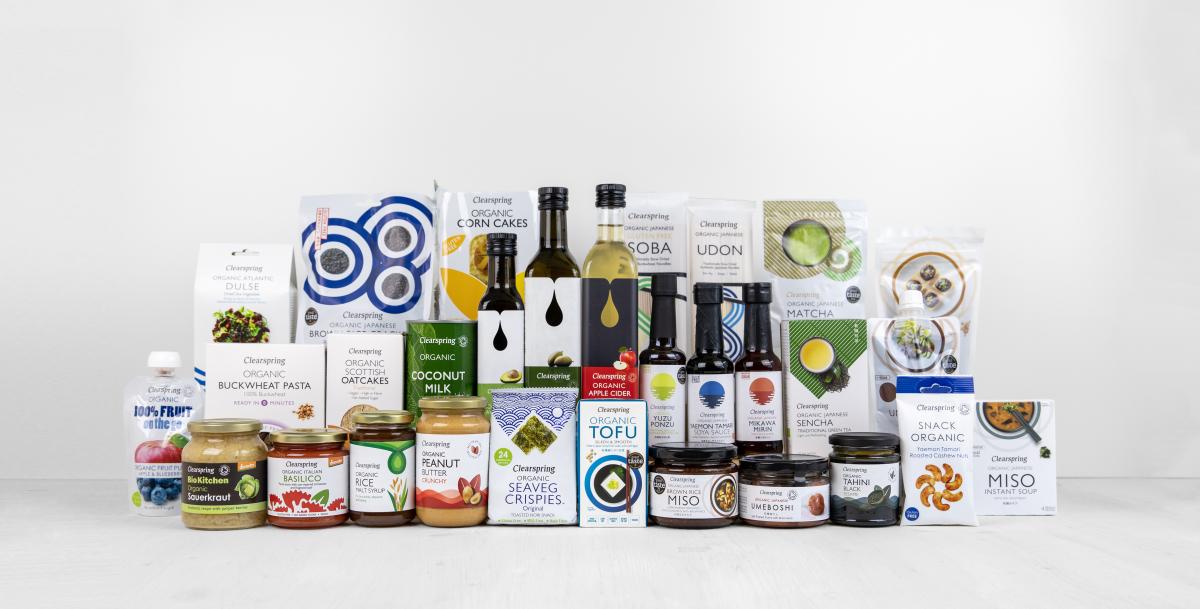
Clearspring is a family business that has been pioneering authentic plant-based organic Japanese and fine foods since 1993. It leads the way with traditional fermented products such as miso, as well as wholefood-focused products beans, soya protein chunks, tofu and more).
What this means for brands: Although precision fermentation is gaining popularity for vegan product innovation, not all processes are the same and consumers rely on a brand’s transparency to know whether animal-derived ingredients and by-products have been used in such processes.
This is why external certification by a trustworthy third-party organisation is crucial to build consumer trust in this new era of food. Learn more about how your brand can show its commitment to transparency.
Fungi, mushrooms and mycelium taking the spotlight
With the growing consumer demand for short and readable ingredient lists on the products they eat, companies are turning to nature for new solutions, tapping into the fungi kingdom, which is one of the main trends set to drive innovation this year.
Fungi and Mycoprotein
Fungi’s role in biotechnology is expanding, as more companies are using fungal-based solutions to address global challenges in food production.
Mycoprotein is an example of such innovation. It’s the vegan protein derived from filamentous fungi, offering a mix of nutrition, low carbon footprint and a meat-like texture.
With the creation of low environmental impact foods becoming a growing focus of consumers and manufacturers alike, global market data suggests continued growth in mycoprotein, projected to grow from $761.8 million in 2025, to $1.4 billion by 2035 ***.
Mushrooms as a health food
The growing interest in health and nutrition puts mushrooms in the spotlight. Rich in nutrients, some small studies have shown dietary patterns that include mushrooms are associated with improved mood and cognition, though further large-scale intervention studies are needed. Functional mushrooms are a growing trend in 2026, both for their nutritional value and interesting meaty texture for plant-based dishes.
In 2026, the global functional mushrooms market has moved from being supplement heavy, to lifestyle driven across beverages, snacks and more. Its value is expected to grow to $96.2 billion by 2035 ****.
Brands that are leading the way in mushroom innovation:
-
Quorn: A pioneering brand that has revolutionised the vegan fungi protein industry with their groundbreaking Quorn mycoprotein, a source of protein high in fibre and low in saturated fat. Their mycoprotein is made using a natural fungus, which is transformed into the protein through biomass fermentation.
-
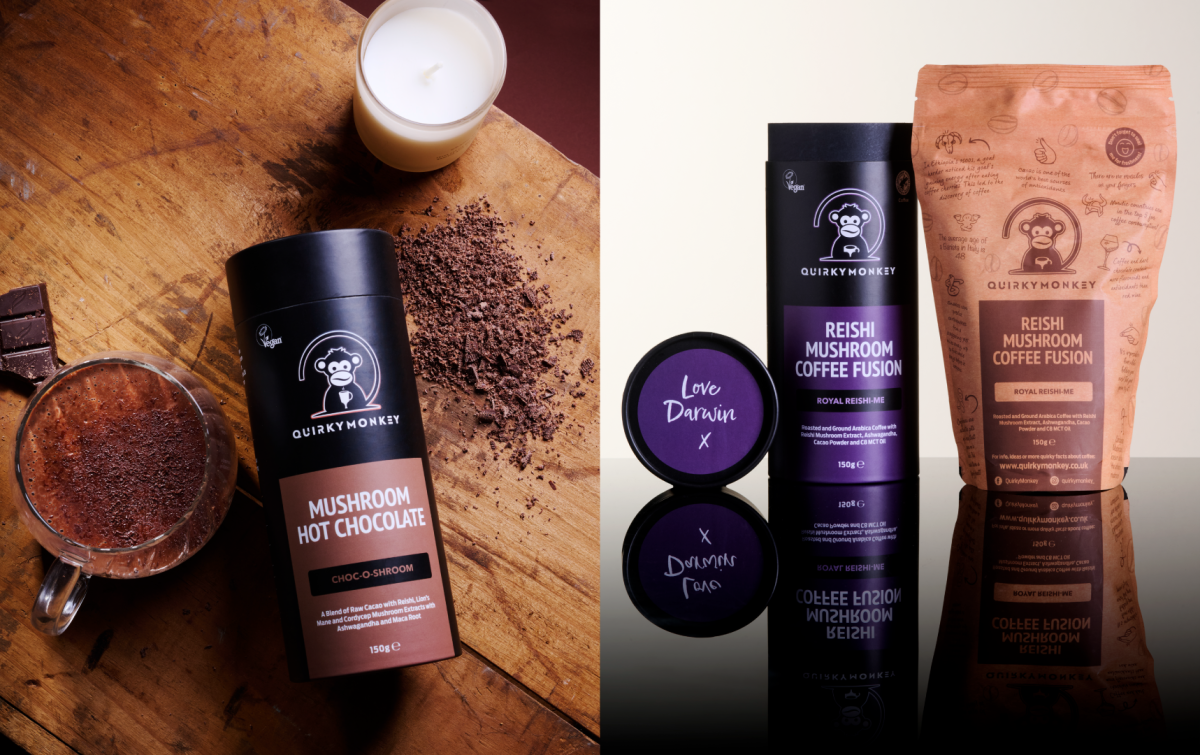
Quirky Monkey: An innovator in the vegan beverage industry with their functional mushroom and coffee and chocolate fusions. The blends of coffee, mushrooms, roots and herbs create unique combinations, paving the way for the transition of functional mushrooms from supplement focused to becoming part of the everyday food and drinks shoppers enjoy.
-
Clean Machine: Is leading the way with their MycelPro-1, the first wholefood Mycelium protein powder in the world. This complete wholefood protein from Mycelium is also rich in spermidine and prebiotic fibre amongst other nutrients.
Taste and texture innovation (and why it matters)
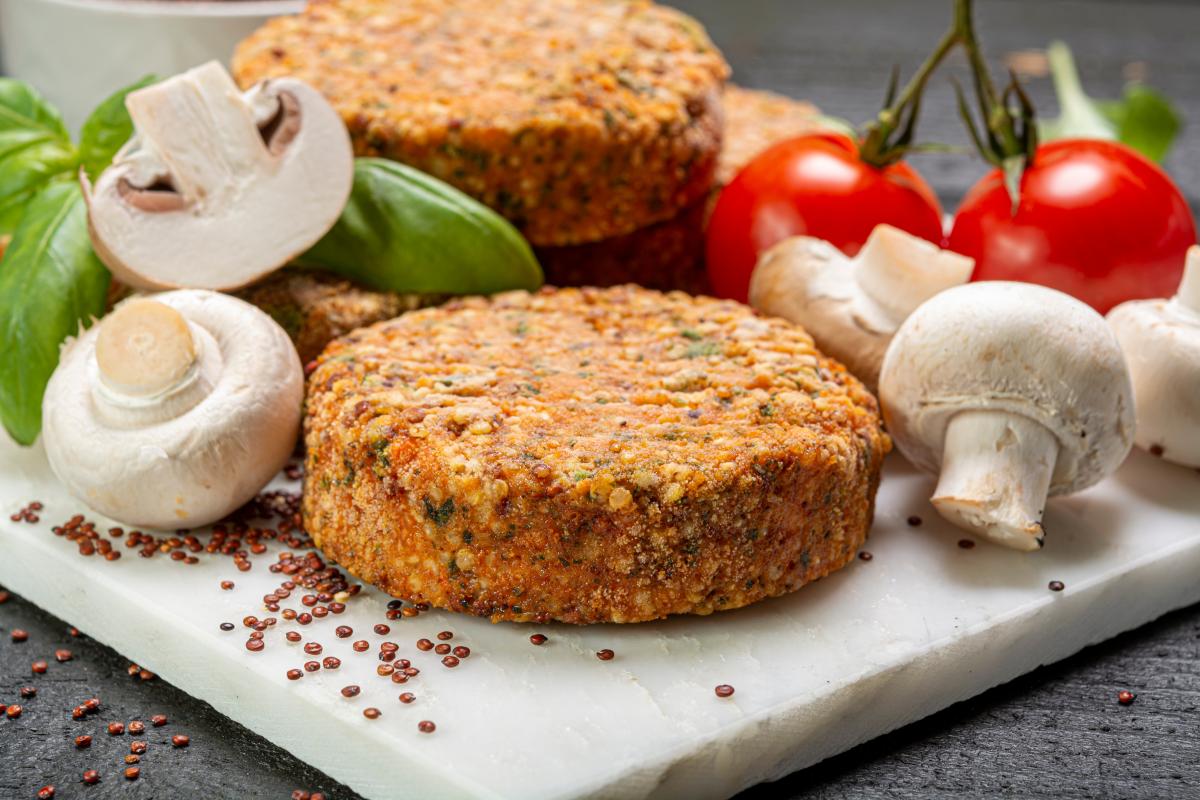
Taste is king when it comes to consumers repeatedly purchasing a product and texture is a key element to the perceived taste.
According to our latest research *****, when it comes to driving sales of vegan products, taste is the most important factor of all:
-
In the UK, 37% of consumers say the main reason they don’t buy vegan alternatives is the belief they won’t taste as good as meat or dairy.
-
Among those who already buy plant-based regularly, taste is still the number one driver, with 30% citing it as their primary reason for purchase.
These numbers highlight a challenge the vegan industry has faced for a long time, which is breaking the preconceptions on the taste and texture of vegan food from non-vegan consumers.
Growing trends and food-tech advances in fungi proteins, fermentation-enabled alternative proteins (FEAP) and even AI are driving innovation in the vegan sector, helping it face challenges that have been harder to overcome in the past.
Vegan labelling and compliance: The UK-EU landscape brands must watch
Some recent developments in EU law could change the rules for labelling of vegan alternatives to traditional animal products.
EU policymakers reopened the plans to ban widely used meat-related names for plant-based food in 2025. These plans were abandoned five years ago and have now resurfaced in Brussels. The Commission unveiled a new set of proposals in July 2025, which if accepted would likely come into force in 2028. These plans would restrict the use of 29 names for plant-based “meat” products, including ‘beef’, ‘chicken’, ‘bacon’, ‘breast’, ‘wing’ and ‘drumstick’.
It’s essential for brands to stay informed of industry shifts and potential changes in regulations. Our LinkedIn page shares the latest industry news and trends, keeping you informed of what is shaping the market. Follow us and stay informed of the latest news!
Looking ahead
2026 will be defined by fungi and fermentation-enabled alternative proteins, taste and texture breakthroughs and wholefoods and health-focused products.
For brands in the vegan industry, having a robust certification mark that consumers recognise around the world will be key to showing transparency and building consumer trust in their products.
Learn more about vegan certification: How the Vegan Trademark can help your brand.
Follow our Food & Drink Innovation campaign: Follow us on LinkedIn and Instagram to stay on the loop.
* Source 1: Food Fibers Market Size & Share, Forecasts Report 2025-2034.
** Source 2: Precision Fermentation Market Industry Trends and Global Forecasts to 2035.
*** Source 3: Mycoprotein Market Size, Growth & Forecast 2025-2035.
**** Source 4: Functional Mushrooms Market Size Outlook, 2025-2035.
***** Source 5: Survey run by Vypr for The Vegan Society, December 2025.
By Vegan Society Marketing Officer, Nora Rodriguez.
The views expressed by our bloggers are not necessarily the views of The Vegan Society.